
Frequently Asked Questions About Insulation Services
Find answers about residential and commercial insulation installation, removal and replacement from Complete Insulation. We serve Murfreesboro, Nashville, Rutherford County and communities throughout Middle Tennessee.
General Insulation FAQs
What insulation services does Complete Insulation provide?
Complete Insulation provides residential and commercial spray foam insulation, fiberglass insulation, attic insulation, crawl-space insulation, insulation removal, sound attenuation, wall insulation refurbishment and warehouse ceiling insulation. We work on new construction, additions, renovations and existing-building upgrades.
Do you provide both residential and commercial insulation?
Yes. We insulate homes, offices, retail spaces, restaurants, warehouses, manufacturing facilities, metal buildings, multifamily properties and other commercial structures.
Do you work on new construction and existing buildings?
Yes. Complete Insulation works on new homes and commercial construction as well as existing properties undergoing renovations, additions or energy-efficiency improvements.
What areas does Complete Insulation serve?
Complete Insulation is based in Murfreesboro and serves Rutherford County, Nashville and communities throughout Middle Tennessee. Contact us to confirm availability for your specific project location.
How do I know which insulation is right for my property?
The right insulation depends on the building design, installation area, available space, moisture conditions, required R-value and project goals. Our team can inspect the project and explain which materials are appropriate.
What is an R-value?
R-value measures an insulation material’s resistance to heat flow. A higher R-value generally provides greater insulating performance, but the appropriate R-value depends on the application, building design and applicable energy codes.
Can new insulation help lower energy costs?
Properly installed insulation can reduce unwanted heat transfer and air leakage, helping the heating and cooling system maintain indoor temperatures more efficiently. Actual savings depend on the building, existing insulation, air sealing and occupant habits.
Do you provide free insulation estimates?
Contact Complete Insulation at (615) 614-8800 to discuss your project and request an estimate.
General Spray Foam Questions
What is spray foam insulation?
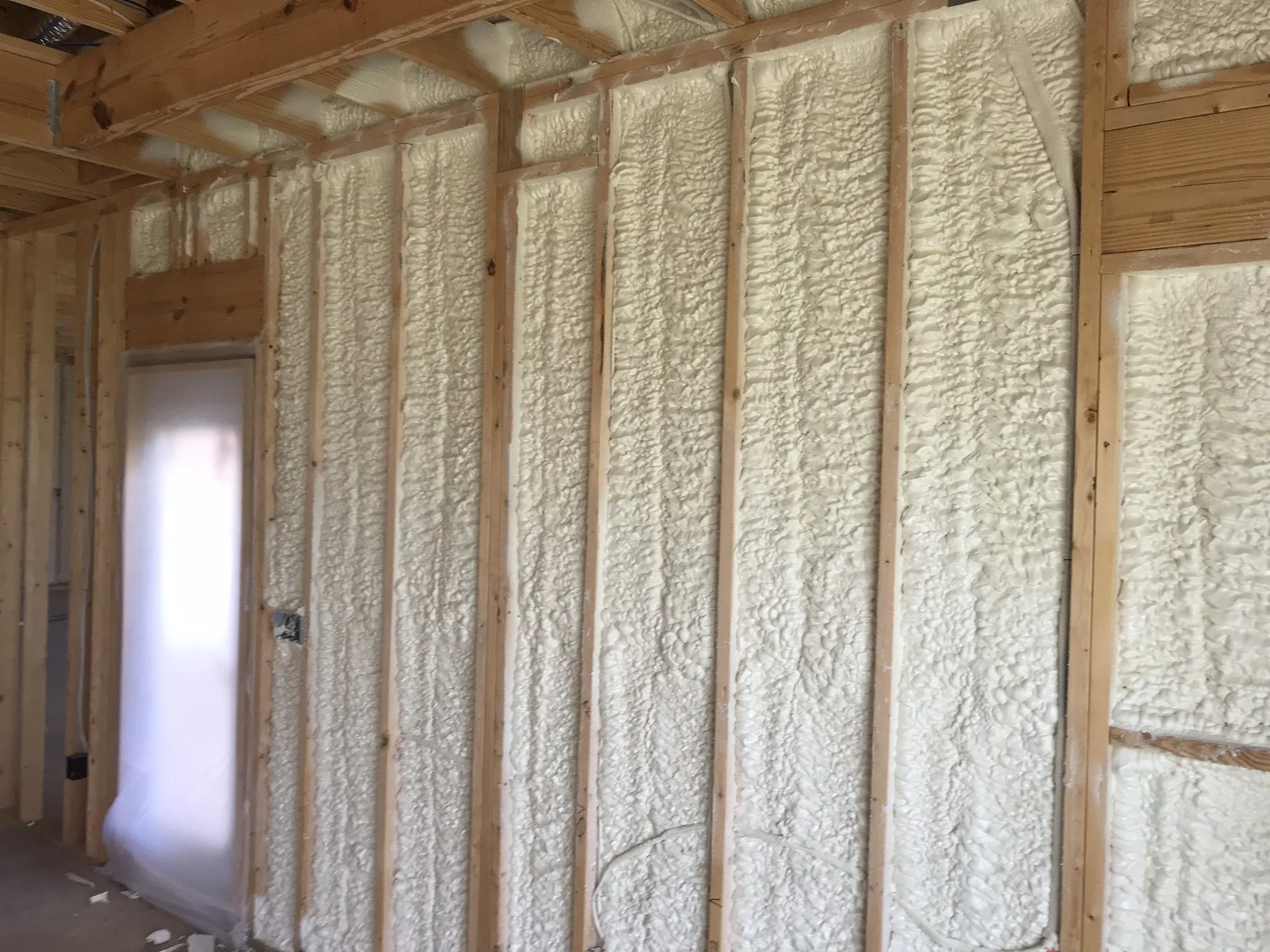
Spray foam insulation is applied as a liquid and expands to fill gaps, cracks and irregular spaces. Once cured, it creates a continuous insulation layer that can also reduce air leakage through the building envelope.
Where can spray foam insulation be installed?
Depending on the product and building design, spray foam may be installed in walls, rooflines, attics, crawl spaces, floors, ceilings, rim joists, metal buildings and other areas.
What is the difference between open-cell and closed-cell spray foam?
Open-cell spray foam is softer, lighter and more flexible. Closed-cell spray foam is denser, more rigid and generally provides a higher R-value per inch. Closed-cell foam also has greater resistance to water vapor. The correct product depends on the application.
Is spray foam insulation an air barrier?
Spray foam can qualify as an air-barrier material when the selected product is installed at the manufacturer-required thickness. Its ability to expand into gaps makes it useful for reducing uncontrolled air movement.
Does spray foam help control indoor temperatures?
Yes. By limiting heat transfer and reducing air leakage, properly installed spray foam can make indoor temperatures more consistent and reduce the workload placed on heating and cooling equipment.
Can spray foam help reduce outside noise?
Spray foam may reduce some sound transmission by filling cavities and limiting air pathways. However, a dedicated sound-attenuation system may be more appropriate when noise control is the main objective.
Can spray foam help deter pests?
Spray foam can close some of the cracks and gaps pests use to enter a building. It is not a pest-control product and should not replace professional treatment or structural repairs.
Is spray foam safe after installation?
Spray foam should be installed by trained professionals following product instructions and job-site safety requirements. Occupants and unprotected workers may need to remain outside the work area during application and for the manufacturer-specified re-entry period.
Residential Spray Foam Insulation FAQs
Is spray foam insulation good for homes in Middle Tennessee?
Spray foam can be an effective option for Middle Tennessee homes because it combines insulation with air sealing. It is commonly considered for attics, crawl spaces, exterior walls, additions and new construction.
Can spray foam be installed in an existing home?
Yes, depending on access and construction conditions. Existing attics, crawl spaces, rim joists and exposed wall cavities may be suitable for spray foam installation. Finished wall cavities may require additional preparation.
Can spray foam be installed along an attic roofline?
Yes. Spray foam may be installed along the roof deck to create an unvented or conditioned attic assembly when the building design and applicable codes allow it.
Will spray foam make my attic cooler?
A properly designed roofline application can bring the attic closer to the home’s conditioned environment. This may reduce extreme attic temperatures, but results depend on the complete attic assembly and HVAC configuration.
Can spray foam be used in a crawl space?
Yes. Closed-cell spray foam is often considered for crawl-space walls, rim joists and other areas where moisture resistance is important. The crawl space must be evaluated for drainage, moisture and ventilation conditions first.
Is spray foam suitable for home additions and bonus rooms?
Yes. Spray foam is frequently used in additions, bonus rooms, garages converted into living space and other areas where air leakage or limited cavity depth can make temperature control difficult.
Commercial Spray Foam Insulation FAQs
What commercial buildings can be insulated with spray foam?
Spray foam may be used in offices, retail spaces, restaurants, warehouses, metal buildings, manufacturing facilities, multifamily properties and other commercial structures.
Can spray foam be installed in metal buildings?
Yes. Spray foam can conform to metal panels and irregular surfaces, helping reduce heat transfer and uncontrolled air movement. The application must account for condensation, coatings, fire requirements and the building’s intended use.
Is spray foam appropriate for commercial roof decks?
It may be, depending on the roof assembly, substrate and project requirements. The roof system should be evaluated before selecting the spray foam product and installation method.
Can spray foam be installed during a commercial renovation?
Yes. Spray foam can be incorporated into commercial remodels, tenant buildouts and building-envelope upgrades when the installation areas are accessible and properly prepared.
Does commercial spray foam need a protective covering?
Some applications require an ignition barrier, thermal barrier or other approved protective coating. Requirements depend on the building, occupancy, location of the foam and applicable codes.
Can Complete Insulation work with general contractors?
Yes. Complete Insulation works with builders, developers and general contractors on new construction, renovations and commercial insulation projects.
General Fiberglass Questions
What is fiberglass insulation?
Fiberglass insulation is made from fine glass fibers designed to slow heat transfer. It is available in pre-cut batts and loose-fill material that can be blown into attics and other accessible spaces.
What is the difference between fiberglass batts and blown-in fiberglass?
Fiberglass batts are pre-cut sections installed between studs, joists and rafters. Blown-in fiberglass consists of loose fibers distributed with specialized equipment, making it useful for open attics and irregular spaces.
What is faced fiberglass insulation?
Faced fiberglass includes an attached facing, often kraft paper, that may function as a vapor retarder when installed correctly. Whether faced or unfaced insulation is appropriate depends on the building assembly and application.
Is fiberglass insulation fire-resistant?
Fiberglass itself is noncombustible, although attached facings and surrounding building materials may burn. Complete assemblies must comply with applicable fire and building-code requirements.
Does fiberglass insulation absorb water?
Fiberglass does not readily absorb water like some materials, but moisture can reduce its performance and contribute to problems in nearby building materials. Wet or contaminated insulation should be evaluated.
Can fiberglass insulation develop mold?
Fiberglass itself does not provide a food source for mold. However, dust, paper facings and nearby wood or drywall can support mold growth when moisture is present.
How long does fiberglass insulation last?
Fiberglass can remain effective for many years when it stays dry, clean and properly positioned. Compression, pests, moisture, contamination and building work can reduce its performance.
Residential Fiberglass Insulation FAQs
Where is fiberglass insulation used in a home?
Fiberglass may be installed in attics, exterior walls, floors, ceilings, basements, crawl spaces, garage walls and interior walls where sound control is desired.
Can blown-in fiberglass be added over existing attic insulation?
In many cases, yes. The existing insulation should first be inspected for moisture, pests, contamination and air leakage. Damaged material may need to be removed before additional insulation is installed.
Is fiberglass insulation good for new homes?
Yes. Fiberglass batts and blown-in systems can provide a cost-effective solution for new-home walls, attics, floors and ceilings when installed at the proper density and R-value.
Can fiberglass improve rooms that are difficult to heat or cool?
It may help when insufficient or poorly installed insulation contributes to the problem. Air leakage, ductwork, windows and HVAC performance should also be considered.
Can fiberglass be installed in interior walls?
Yes. Fiberglass batts are commonly installed in interior partitions around bedrooms, bathrooms, laundry rooms, home offices and entertainment spaces to help reduce sound transmission.
Commercial Fiberglass Insulation FAQs
Is fiberglass insulation suitable for commercial buildings?
Yes. Fiberglass is used in offices, retail spaces, multifamily buildings, schools, warehouses, metal buildings and many other commercial properties.
Can fiberglass insulation be installed above commercial ceilings?
Yes, depending on the ceiling and building assembly. Insulation may be installed above suspended ceilings or within roof and wall systems when the application is properly designed.
Is fiberglass useful for commercial sound control?
Yes. Fiberglass installed in interior wall and ceiling cavities can absorb sound and help reduce noise transfer between offices, conference rooms, tenant spaces and other occupied areas.
Can fiberglass be used in warehouses?
Yes. Fiberglass systems may be used in warehouse walls, roof assemblies and ceiling areas. The correct product depends on the building’s construction and operating conditions.
Can existing commercial fiberglass insulation be replaced?
Yes. Damaged, compressed, wet or contaminated fiberglass can be removed and replaced as part of a renovation or building-performance improvement project.
Attic Insulation FAQs
Why is attic insulation important?
Attic insulation reduces heat transfer between the living space and roof area. Proper insulation and air sealing can improve indoor comfort and help the HVAC system operate more efficiently.
How do I know whether my attic needs more insulation?
Common warning signs include uneven temperatures, high heating or cooling bills, drafts, visible gaps, compressed insulation and insulation levels below current recommendations.
Should old attic insulation be removed before adding new insulation?
Not always. Clean, dry and properly installed insulation may sometimes remain in place. Insulation affected by pests, moisture, mold, smoke, debris or other contamination should be evaluated for removal.
Is air sealing necessary before adding attic insulation?
Air sealing is often recommended because insulation alone may not stop air from moving through plumbing penetrations, wiring openings, framing gaps and attic access points.
Can attic insulation help with hot upstairs rooms?
It may help when heat transfer or attic air leakage contributes to the problem. Duct leakage, HVAC sizing, airflow and window exposure may also affect upstairs temperatures.
Can recessed lights be covered with insulation?
Only fixtures rated for insulation contact should be covered. Non-IC-rated fixtures require appropriate clearance to reduce fire risk.
Can Complete Insulation insulate an attic in a new home?
Yes. We provide attic insulation for new residential construction, additions and commercial building projects.
Crawl Space Insulation & Encapsulation FAQs
What is crawl-space insulation?
Crawl-space insulation is installed beneath floors, along foundation walls or as part of an encapsulated crawl-space system to reduce heat transfer and improve the building envelope.
What is crawl-space encapsulation?
Encapsulation involves covering exposed soil and often foundation walls with a durable vapor barrier to reduce ground moisture entering the crawl space. The system may also include sealing vents, insulating walls and addressing humidity.
What is a crawl-space vapor barrier?
A vapor barrier is a moisture-resistant material placed over exposed soil or other surfaces to limit water vapor entering the crawl space.
What is the difference between a vapor barrier and encapsulation?
A basic vapor barrier primarily covers exposed soil. Encapsulation is a more comprehensive system that may seal the floor, foundation walls, piers, vents and penetrations.
Can a vented crawl space be converted to an unvented crawl space?
In some cases, yes. The conversion must account for drainage, moisture, mechanical equipment, combustion safety, insulation, humidity control and local code requirements.
Can crawl-space encapsulation help with indoor humidity?
It can reduce moisture entering from the soil and outside air. Plumbing leaks, drainage problems and indoor humidity sources must also be corrected.
Should wet insulation under a floor be replaced?
Wet, sagging or contaminated insulation should be inspected. The moisture source must be corrected before replacement insulation is installed.
Can spray foam be used in an encapsulated crawl space?
Yes. Depending on the assembly, spray foam may be installed along foundation walls, rim joists or other surfaces. Product selection and code requirements must be considered.
Does encapsulation prevent every crawl-space problem?
No. Encapsulation does not replace foundation repair, pest treatment, plumbing repair, exterior drainage work or mechanical humidity control when those services are needed.
General Insulation Removal Questions
When should old insulation be removed?
Removal may be recommended when insulation is wet, mold-affected, pest-contaminated, smoke-damaged, heavily soiled, compressed or obstructing renovation and repair work.
Can new insulation be installed over old insulation?
Sometimes. Existing insulation must be dry, clean and properly installed. Contaminated or severely damaged material should generally be removed before new insulation is added.
How is loose attic insulation removed?
Loose-fill insulation is typically collected using specialized high-powered vacuum equipment and transferred into containment bags or a removal container for off-site disposal.
Do you remove fiberglass and other loose-fill insulation?
Complete Insulation removes common types of batt and loose-fill insulation when appropriate for the project. The existing material and site conditions should be evaluated first.
What happens after the insulation is removed?
The exposed area can be inspected for moisture, pest activity, air leaks, wiring concerns and structural damage. After necessary repairs and preparation, new insulation can be installed.
Do you dispose of the removed insulation?
Yes. Removed insulation is contained and transported off-site for disposal according to applicable requirements.
Is insulation removal messy?
The process can release dust and debris, but professional containment, protective equipment and vacuum systems help keep the work area controlled.
Does Complete Insulation remove asbestos?
Do not disturb suspected asbestos-containing material. Asbestos inspection and abatement require appropriately qualified professionals and may fall outside standard insulation-removal services.
Commercial Insulation Removal FAQs
Why would a commercial building need insulation removed?
Commercial insulation may require removal because of roof leaks, condensation, pests, fire or smoke exposure, remodeling, damaged facings or changes to the building’s use.
Can insulation be removed from an occupied business?
Sometimes, but the project must be carefully planned. Work areas may require isolation, scheduling outside normal operating hours or temporary access restrictions.
Can warehouse ceiling insulation be removed and replaced?
Yes. Damaged or outdated warehouse ceiling insulation may be removed and replaced with a system appropriate for the roof assembly, building use and condensation conditions.
Do you coordinate commercial insulation removal with contractors?
Yes. Complete Insulation can coordinate with general contractors, roofers, electricians, HVAC contractors and other project professionals.
Can insulation removal be completed in phases?
Large commercial projects may be divided into phases to coordinate access, business operations and construction schedules.
Sound Attenuation FAQs
What is sound attenuation?
Sound attenuation is the reduction of sound as it travels between rooms, floors or building areas. Insulation placed within walls and ceilings can absorb sound and reduce noise transfer.
Is sound attenuation the same as soundproofing?
No. Sound attenuation reduces sound transmission, while “soundproofing” suggests completely blocking sound. Most projects use a combination of insulation, framing, drywall, sealing and isolation techniques to achieve practical noise control.
What insulation is best for sound attenuation?
Fiberglass and certain spray foam products can help absorb sound, but the best system depends on the wall or ceiling assembly and the type of noise being addressed.
Where can sound-attenuation insulation be installed in a home?
Common locations include bedrooms, bathrooms, laundry rooms, home offices, nurseries, media rooms, bonus rooms, workshops and walls shared with garages.
Where is sound attenuation used in commercial buildings?
It is frequently installed around private offices, conference rooms, restrooms, healthcare rooms, classrooms, restaurants, hotels, multifamily units and mechanical spaces.
Can sound attenuation improve privacy between offices?
Yes. Cavity insulation can reduce conversation transfer, especially when combined with sealed penetrations, appropriate doors and properly constructed walls.
Can insulation stop noise from HVAC equipment?
Insulation may reduce some airborne noise, but vibration and mechanical noise may require equipment isolation, duct modifications or other specialized measures.
Can sound attenuation be added to existing walls?
Sometimes. The installation method depends on access to the wall cavity. More extensive renovations may be necessary when walls are already finished.
Wall Insulation Refurbishment FAQs
What is wall insulation refurbishment?
Wall insulation refurbishment involves improving, supplementing or replacing insulation in an existing wall system. The work may address missing insulation, damaged materials, air leakage or changes to the building’s use.
How do I know if my walls are poorly insulated?
Possible signs include drafts, cold or hot wall surfaces, uneven room temperatures, excessive outside noise and unusually high heating or cooling costs.
Can wall insulation be improved without rebuilding the entire wall?
In some cases, yes. The available options depend on the wall construction, cavity access, existing material and interior or exterior finishes.
Can wall insulation refurbishment help an older home?
Yes. Older homes often contain uninsulated wall cavities, settled insulation or gaps around framing and penetrations. The building should be evaluated before work begins.
Is wall insulation refurbishment available for commercial buildings?
Yes. It can be incorporated into office renovations, retail buildouts, multifamily updates, warehouse conversions and other commercial improvement projects.
Can damaged wall insulation be replaced after a leak?
Yes, after the source of the leak has been repaired and affected materials have dried. Any mold or structural damage should also be addressed before new insulation is installed.
Can wall refurbishment improve sound control?
Yes. Adding cavity insulation during wall refurbishment can help reduce sound transmission between rooms or tenant spaces.
Is wall insulation refurbishment suitable for historic buildings?
It may be, but historic buildings require careful evaluation. Moisture movement, original materials and architectural features must be considered before changing the wall assembly.
Warehouse Ceiling Insulation FAQs
What is warehouse ceiling insulation?
Warehouse ceiling insulation is installed at or below the roof assembly to reduce heat transfer, improve indoor comfort and help control condensation in large commercial and industrial buildings.
What types of warehouses can be insulated?
Complete Insulation can evaluate distribution centers, storage facilities, manufacturing buildings, workshops, automotive facilities, agricultural buildings and other metal or framed structures.
What insulation can be used in a warehouse ceiling?
Possible options include spray foam and fiberglass insulation systems. The correct choice depends on the roof construction, ceiling height, building use, moisture conditions and project budget.
Can an existing warehouse ceiling be insulated?
Yes. Existing warehouses can often be retrofitted, although access, equipment, stored inventory and existing roof conditions must be considered.
Can warehouse insulation help reduce heating and cooling costs?
Proper insulation can reduce heat transfer through the roof and ceiling, which may lower the demand placed on heating and cooling equipment. Results vary according to building size, air leakage, operating hours and HVAC efficiency.
Can insulation help with condensation on a metal warehouse roof?
An appropriate insulation and air-control system can help reduce condensation risk. Existing leaks, indoor humidity and ventilation conditions must also be addressed.
Can damaged warehouse insulation be replaced?
Yes. Torn, wet, sagging or contaminated insulation can be evaluated for removal and replacement.
Will warehouse insulation interfere with sprinklers or lighting?
The installation must maintain required clearances and avoid obstructing sprinklers, lighting, ventilation and other building systems. Coordination with other trades may be required.
Can warehouse insulation be installed while the business remains open?
Sometimes. The project may be completed in phases or scheduled around operations, depending on access, safety requirements and activities inside the building.
Barndominium and Metal-Building Insulation FAQs
Do you insulate barndominiums?
Yes. Complete Insulation provides insulation for new and existing barndominiums, including living areas, workshops, garages, walls and roof assemblies.
What insulation is best for a barndominium?
Spray foam and fiberglass may both be appropriate. The best choice depends on the metal-building system, interior finishes, moisture conditions, desired R-value and how the space will be used.
Why is condensation control important in metal buildings?
Warm, moisture-filled air can condense when it contacts cooler metal surfaces. A properly designed insulation, air-control and ventilation strategy helps reduce that risk.
Can different insulation products be used in the same building?
Yes. Some projects use different materials in the living space, workshop, roofline and interior walls. Each assembly should be designed for its specific purpose.
Can you insulate a metal shop or detached garage?
Yes. We insulate workshops, detached garages, equipment buildings, storage facilities and other metal structures.
New-Construction Insulation FAQs
When should the insulation contractor become involved in a new project?
The insulation contractor should be consulted before walls and ceilings are closed. Early coordination helps address insulation levels, air sealing, access, mechanical systems and inspection requirements.
Do you provide complete new-home insulation packages?
Yes. Depending on the plans and project requirements, Complete Insulation can insulate walls, attics, rooflines, floors, crawl spaces, garages and sound-sensitive interior partitions.
Do you provide insulation for commercial new construction?
Yes. We work with builders and general contractors on offices, retail buildings, warehouses, metal buildings, multifamily properties and other commercial projects.
Can you insulate additions and renovations?
Yes. We provide insulation for home additions, commercial expansions, tenant improvements and remodeled spaces.
Do you follow project plans and specified R-values?
Insulation is installed according to the agreed scope, approved plans, product requirements and applicable building-code provisions.
Can Complete Insulation help compare spray foam and fiberglass?
Yes. We can explain how the products differ in cost, air-sealing ability, R-value, moisture performance and installation requirements.
Commercial Insulation FAQs
What commercial insulation services do you provide?
Commercial services include spray foam, fiberglass insulation, insulation removal, wall refurbishment, sound attenuation, warehouse ceiling insulation and insulation for metal buildings and new construction.
What types of commercial clients do you serve?
We work with general contractors, developers, property managers, business owners, builders and facility managers.
Can you insulate tenant buildouts?
Yes. Insulation and sound attenuation can be installed during office, retail, restaurant and other tenant buildouts.
Do you work on occupied commercial properties?
Yes, when the project can be completed safely. Scheduling, access, containment and disruption should be discussed before work begins.
Can insulation improve comfort in a commercial building?
Yes. Insulation can reduce heat transfer, air leakage and temperature differences between building areas. HVAC performance, windows and operating conditions also affect comfort.
Do commercial insulation projects require code review?
Commercial projects may be subject to energy, fire, mechanical and building-code requirements. The applicable requirements depend on the building and scope of work.
Can you provide insulation for warehouses and industrial facilities?
Yes. Complete Insulation provides ceiling, wall and roofline insulation solutions for warehouses, manufacturing facilities and other industrial properties.
Residential Insulation FAQs
What areas of a home can Complete Insulation improve?
We can evaluate attics, exterior walls, crawl spaces, floors, rooflines, garages, bonus rooms, additions and interior walls requiring sound attenuation.
What are common signs that a home needs insulation work?
Common signs include uneven temperatures, drafts, excessive HVAC operation, uncomfortable bonus rooms, cold floors, high indoor humidity and visible gaps or damaged insulation.
Can you replace insulation damaged by animals?
Yes. Pest-contaminated insulation can be removed after the pest problem and entry points have been addressed.
Can insulation help make floors above a crawl space more comfortable?
Proper crawl-space insulation and air sealing can reduce heat transfer through the floor. Moisture, drainage and crawl-space conditions should also be evaluated.
Can insulation help a bonus room over a garage?
Yes. These rooms commonly experience comfort problems due to insufficient insulation and air leakage in knee walls, floors and roof slopes.
Should I choose spray foam or fiberglass for my home?
Both can be effective when properly selected and installed. The right choice depends on the location, budget, available cavity depth, air-sealing needs and building design.
Estimates and Project Preparation FAQs
What information should I provide when requesting an estimate?
Helpful information includes the property address, building type, project stage, installation area, approximate square footage, preferred material and any known moisture or contamination issues.
How should I prepare for insulation installation?
Remove personal belongings from the work area, secure pets and provide clear access. Additional preparation instructions will depend on the material and project.
Do occupants need to leave during installation?
That depends on the insulation product and work area. Spray foam applications generally require occupants and unprotected workers to remain outside the application area during installation and for the required re-entry period.
How long does an insulation project take?
Project length depends on the building size, material, accessibility, removal requirements and scope of work. A small residential project may take less time than a warehouse or whole-building installation.
Can insulation work be coordinated with other contractors?
Yes. We can coordinate scheduling and access with builders, roofers, electricians, HVAC contractors and other project professionals.
How can I schedule an insulation estimate?
Call Complete Insulation at (615) 614-8800 to discuss residential or commercial insulation services in Murfreesboro, Nashville, Rutherford County and surrounding Middle Tennessee communities.