
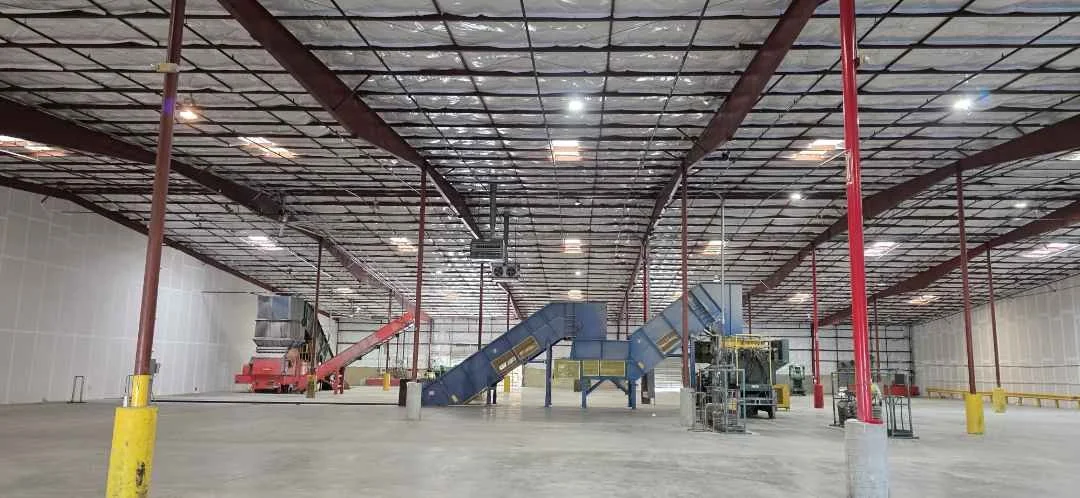
Metal Building and Warehouse Insulation in Middle Tennessee
Complete Insulation provides metal building and warehouse insulation installation for general contractors, developers and commercial builders throughout Murfreesboro, Nashville and Middle Tennessee.
We install spray foam and fiberglass insulation in new and existing pre-engineered metal buildings. Our team coordinates with the project schedule, building system and other trades to complete walls, rooflines and ceilings at the appropriate construction stage.
Complete insulation is licensed and insured (General Liability, Worker Compensation, Vehicle and Umbrella).
Insulation for Metal Building Construction
Metal panels transfer heat quickly and may develop condensation when warm, moisture-filled air reaches a colder surface. A properly designed insulation system can reduce heat transfer, improve interior comfort and help manage condensation risk.
Complete Insulation provides installation for:
Warehouses and distribution centers
Manufacturing facilities
Automotive and equipment shops
Commercial workshops
Storage buildings
Agricultural buildings
Aircraft hangars
Self-storage facilities
Recreational buildings
Barndominiums
Pre-engineered metal building additions
The appropriate insulation system depends on the building design, climate-control requirements, interior operations and approved construction documents.
-
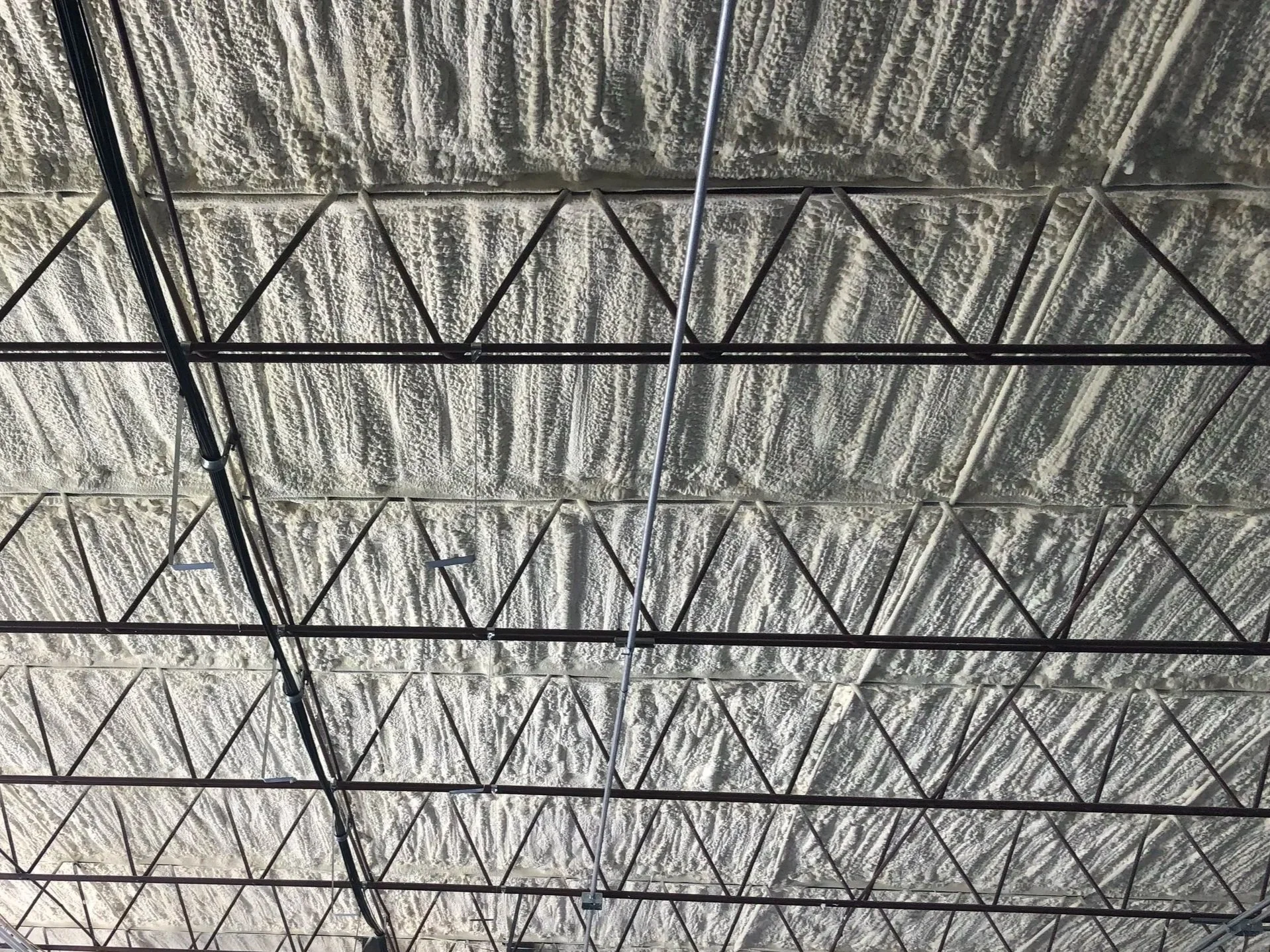
Closed- & Open-Cell Spray Foam
Open-Cell Spray Foam: Open-cell spray foam is softer and more flexible. It may be specified for protected interior applications where thermal insulation, air sealing and sound absorption are priorities.
Closed-Cell Spray Foam: Closed-cell spray foam is denser and more rigid. It typically provides a higher R-value per inch and greater resistance to water vapor, making it suitable for many metal-building applications.
Product selection should account for the substrate, interior conditions, required thickness, protective barriers and applicable project requirements.
-
Fiberglass Insulation for Warehouses
Fiberglass insulation provides a practical option for metal-framed walls, roof systems, ceilings and interior buildouts. It may be used in new construction or installed as part of an existing warehouse improvement.
Fiberglass applications may include:
Framed exterior walls
Warehouse ceilings
Office buildouts inside warehouses
Interior partitions
Storage and work areas
Building additions
Sound-control assemblies
The fiberglass product should match the framing dimensions, specified R-value and vapor-control design.
-
Warehouse Wall, Roof and Ceiling Insulation
A warehouse may require different insulation solutions across its exterior and interior assemblies.
Complete Insulation can provide:
Metal wall insulation
Underside roof-deck insulation
Warehouse ceiling insulation
Framed office-wall insulation
Insulation above finished interior spaces
Sound attenuation around offices and production areas
Insulation for conditioned storage spaces
Insulation within commercial additions
The scope should clearly identify whether insulation is installed against the exterior panels, within framed assemblies or above a separate ceiling.
-
Condensation-Control Considerations
Insulation can help reduce the temperature differences that contribute to condensation, but it must be part of a complete moisture-control strategy.
The project team should also consider:
Interior humidity
Roof and wall leaks
Exterior drainage
Air leakage
Mechanical ventilation
HVAC operation
Building pressurization
Vapor-retarder placement
Temperature differences between building zones
Insulation should not be installed over active leaks, standing water, wet materials or severely corroded surfaces.
-
Metal Surface Preparation
Application surfaces must be suitable for the selected insulation system. Before spray foam installation, exposed metal should generally be clean, dry and free from substances that could interfere with adhesion.
Potential concerns include:
Oil and manufacturing residue
Dust and construction debris
Rust or corrosion
Condensation
Active leaks
Flaking coatings
Incompatible primers or finishes
Loose fasteners or damaged panels
Any required cleaning, repair, priming or compatibility testing should be addressed before installation begins.
-
Phased Warehouse Insulation Installation
Large warehouses and industrial buildings may be insulated by wall elevation, roof section, bay or released work zone.
Phased installation can help coordinate insulation with:
Metal panel installation
Electrical and mechanical work
Fire-protection systems
Interior framing
Equipment installation
Concrete and floor work
Inspections
Business operations in existing facilities
Each released area should be accessible and free from conflicting trade activity.
-
Access and Equipment Coordination
Metal-building insulation may require lifts, scaffolding or other elevated-access equipment. Equipment requirements depend on the ceiling height, floor condition, application area and materials stored inside the building.
Before installation, the general contractor should clarify:
Who provides lifts or scaffolding
Approved equipment routes
Floor loading or protection requirements
Overhead obstructions
Restricted work areas
Equipment charging or fueling locations
Fall-protection requirements
Daily access hours
These responsibilities should be established before mobilization.
-
Protective Barriers and Interior Finishes
Some spray foam applications require an approved thermal barrier, ignition barrier or protective coating. Fiberglass systems may require facings, liners or other protective finishes.
Barrier requirements depend on the insulation product, building occupancy, application location and approved assembly. Responsibility for supplying and installing protective materials should be defined in the project scope.
Request a Metal Building or Warehouse Insulation Bid
Send Complete Insulation your plans, metal-building specifications, insulation requirements, access information and anticipated schedule.
Call Complete Insulation at (615) 614-8800 to request a metal building or warehouse insulation bid in Middle Tennessee.
Metal Building Insulation FAQs for Contractors
What insulation do you install in metal buildings?
Complete Insulation installs open-cell spray foam, closed-cell spray foam and fiberglass insulation in approved metal-building wall, roof and ceiling assemblies.
Is spray foam suitable for a metal warehouse?
Yes. Spray foam can conform to corrugated metal panels while providing insulation and air sealing. Product selection depends on the building assembly and interior conditions.
Can fiberglass be used in a pre-engineered metal building?
Yes. Fiberglass may be used in roof, wall, ceiling and framed interior assemblies when the system is designed for the building.
Can insulation prevent all metal-building condensation?
No. Insulation can help manage condensation risk, but indoor humidity, air leakage, ventilation, roof leaks and vapor control must also be addressed.
Can spray foam be applied over rust?
The surface must be evaluated first. Loose rust, corrosion, moisture or failing coatings may interfere with adhesion and require preparation or repair before application.
Do you insulate warehouse offices and interior rooms?
Yes. We install thermal and sound-attenuation insulation in offices, conference rooms, restrooms and other finished areas constructed inside warehouses.
Can warehouse insulation be completed in phases?
Yes. Installation may be coordinated by bay, wall elevation, roof section or released work zone.
Who provides lifts for high warehouse ceilings?
Lift and access responsibilities should be established in the project scope before scheduling. Requirements depend on the building height, floor conditions and installation area.
Does spray foam require a protective coating or barrier?
Some applications require a thermal barrier, ignition barrier or approved protective coating. Requirements depend on the product, location, occupancy and applicable codes.
Can you insulate an existing operating warehouse?
Some retrofit projects can be completed around business operations. Inventory protection, equipment access, installation zones and working hours must be coordinated in advance.
When should insulation be installed in a new metal building?
Timing depends on the insulation system. Installation should be coordinated with metal panels, mechanical and electrical systems, fire protection, interior framing and finish work.
What information is needed for a metal-building insulation bid?
Provide drawings, building dimensions, assembly details, required insulation values, product specifications, ceiling heights, access requirements, project schedule and bid deadline.