
Insulation Removal Subcontractor for Renovation Projects
Complete Insulation provides professional insulation removal for general contractors, remodelers and commercial renovation teams throughout Murfreesboro, Nashville and Middle Tennessee.
We remove damaged, contaminated or outdated insulation from attics, walls, ceilings, crawl spaces and commercial buildings. Our team coordinates removal with demolition, remediation and reconstruction schedules to prepare exposed areas for inspection, repairs and replacement insulation.
Complete insulation is licensed and insured (General Liability, Worker Compensation, Vehicle and Umbrella).
When insulation becomes contaminated by pests such as birds or rodents, it not only loses its effectiveness, but can also introduce harmful contaminants into the living space. Proper removal of old insulation can improve energy efficiency, improve indoor air quality, and prepare the space for superior insulation solutions.
Insulation Removal for Construction and Renovation
Existing insulation can interfere with demolition, structural repairs, utility upgrades and building-envelope improvements. Removing it gives contractors access to framing, wiring, plumbing, ductwork and other concealed building components.
Insulation removal may be needed for:
Residential remodeling
Commercial renovations
Tenant buildouts
Building additions
Fire and smoke restoration
Water-damage repairs
Pest-contamination cleanup
Roof and ceiling replacement
Electrical and mechanical upgrades
Warehouse retrofits
Building-use conversions
Insulation replacement projects
-
Insulation Materials We Remove
Complete Insulation can remove common batt and loose-fill insulation materials from accessible areas.
These may include:
Fiberglass batts
Blown-in fiberglass
Loose-fill insulation
Wall-cavity insulation
Crawl-space insulation
Warehouse ceiling insulation
Damaged metal-building insulation
The existing material and project conditions should be evaluated before the removal scope is finalized.
-
Attic Insulation Removal
Attic insulation may need to be removed when a contractor requires access to roof framing, ceiling joists, electrical systems, ductwork or the top side of the ceiling.
We remove loose-fill and batt insulation to support projects involving:
Roof and framing repairs
Rewiring
HVAC replacement
Air-sealing improvements
Pest cleanup
Water-damage restoration
Ceiling replacement
Attic conversions
New insulation systems
Once the insulation is removed, the contractor can inspect areas that were previously concealed.
-
Commercial Insulation Removal
Complete Insulation removes insulation from offices, retail spaces, warehouses, metal buildings and other commercial properties undergoing renovation or repair.
Commercial removal may involve:
Above-ceiling insulation
Insulated interior partitions
Warehouse roof and ceiling systems
Damaged wall insulation
Insulation around mechanical upgrades
Materials affected by roof leaks
Insulation within tenant spaces
Insulation scheduled for replacement
Projects may be completed by floor, suite, bay or designated work zone.
-
Insulation Removal After Water or Pest Damage
Insulation affected by roof leaks, plumbing failures, rodents, birds or other pests may no longer be suitable for reuse.
Before removal begins, the responsible project professionals should address:
Active water intrusion
Plumbing or roof leaks
Pest entry points
Infestations
Structural damage
Electrical hazards
Mold or microbial concerns
Unsafe access conditions
Removing insulation does not correct the source of the damage. Those issues must be resolved before replacement material is installed.
Removal Using Specialized Vacuum Equipment
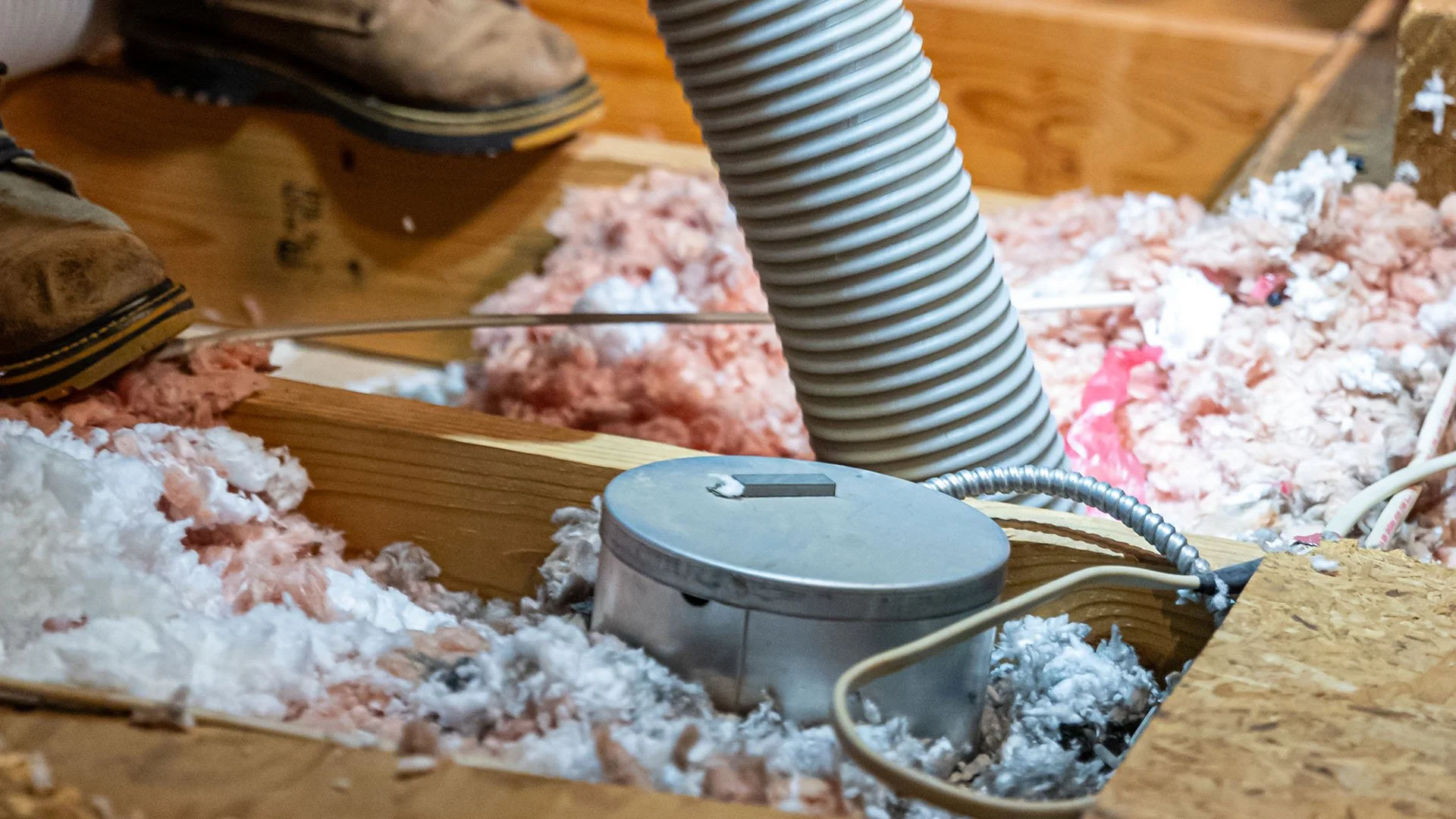
Loose attic and ceiling insulation may be removed with high-powered vacuum equipment. The material is transferred through hoses into containment bags or a designated collection system for transportation off-site.
Batt insulation and materials that cannot be vacuumed may require manual removal and bagging. The appropriate method depends on the insulation type, location, accessibility and contamination concerns.
-
Work-Area Containment and Access
Insulation removal can disturb dust, fibers and debris. The removal area may require isolation from occupied or finished portions of the building.
Project planning should account for:
Equipment and hose access
Work-area containment
Protection of finished surfaces
Occupant and worker separation
Dumpster or collection placement
Vehicle access
Electrical service
Attic or ceiling access
Floor and doorway protection
Daily cleanup requirements
These responsibilities should be clarified before work is scheduled.
-
Coordinating Removal With Other Trades
Insulation removal should be sequenced with demolition and other construction work. Removing insulation too early may leave building areas exposed, while removing it too late may delay repairs and rough-in work.
We can coordinate with:
General contractors
Demolition crews
Roofing contractors
Electricians
Plumbing contractors
HVAC contractors
Restoration contractors
Pest-control companies
Mold-remediation professionals
Drywall contractors
Replacement insulation should be scheduled only after repairs, remediation and required inspections are complete.
-
Occupied Building Renovations
Some insulation-removal projects can be completed in occupied homes or commercial buildings. However, access, containment, noise, dust and equipment placement must be evaluated before work begins.
Occupied projects may require:
Work outside normal business hours
Phased removal
Temporary closure of individual rooms
Restricted access to work zones
Protection of inventory and equipment
Coordination with tenants or occupants
The general contractor or property representative should communicate access restrictions before scheduling.
Hazardous and Regulated Materials
Suspected asbestos-containing materials, lead hazards, chemical contamination and other regulated materials require proper testing and specialized handling.
Complete Insulation does not disturb suspected hazardous materials as part of standard insulation removal. Testing and required abatement should be completed by appropriately qualified professionals before our insulation scope begins.
Insulation Removal FAQs for Contractors
Why should insulation be removed during a renovation?
Removal may be necessary to expose framing and building systems, eliminate damaged material, support remediation or prepare cavities for updated insulation.
Can loose attic insulation be vacuumed out?
Yes. Loose-fill insulation is commonly removed with specialized vacuum equipment when the work area and equipment access permit it.
Do you remove fiberglass batts?
Yes. Fiberglass batts can be manually removed and contained when they are accessible and included in the project scope.
Can you remove insulation from commercial ceilings?
Yes. We can remove accessible insulation from commercial ceiling and above-ceiling areas. Work must be coordinated around utilities, sprinklers, ductwork and ceiling systems.
Do you remove warehouse insulation?
Yes. Complete Insulation can remove damaged or outdated warehouse wall, roof and ceiling insulation when access and site conditions allow.
Can insulation removal be completed in phases?
Yes. Commercial, multifamily and warehouse projects may be divided by floor, suite, building, bay or released construction zone.
Can you remove insulation from an occupied building?
Some removal projects can be completed in occupied properties using scheduled work zones and access restrictions. The building and contamination conditions must be evaluated first.
Do you dispose of removed insulation?
Yes. Materials included in our scope are contained and transported off-site for appropriate disposal.
Do you remove mold or asbestos?
Standard insulation removal does not include asbestos abatement or mold remediation. Suspected hazardous or regulated materials should be tested and handled by qualified specialists.
Should pest control happen before insulation removal?
Active infestations and entry points should generally be addressed before or in coordination with removal. Otherwise, pests may return and damage the replacement insulation.
When can replacement insulation be installed?
New insulation can be installed after leaks, pest problems, structural damage, hazardous materials and other underlying conditions have been properly addressed.
What information is needed for an insulation removal bid?
Provide the project location, removal area, approximate square footage, insulation type and depth, access conditions, photographs, known contamination and anticipated schedule.