
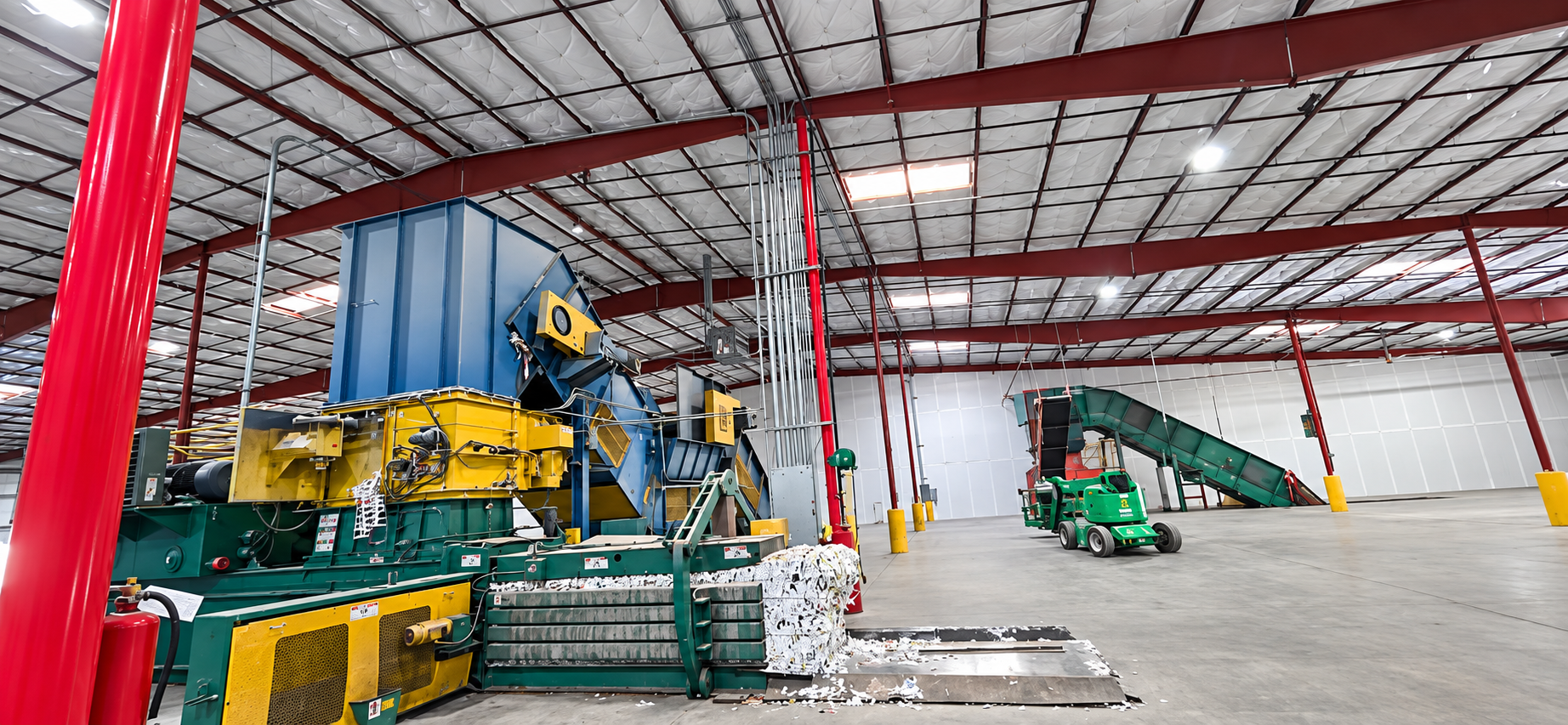
Warehouse Insulation Replacement, Repair & Refurbishment in Murfreesboro, TN
Restore Damaged Warehouse Insulation Without Replacing More Than Necessary
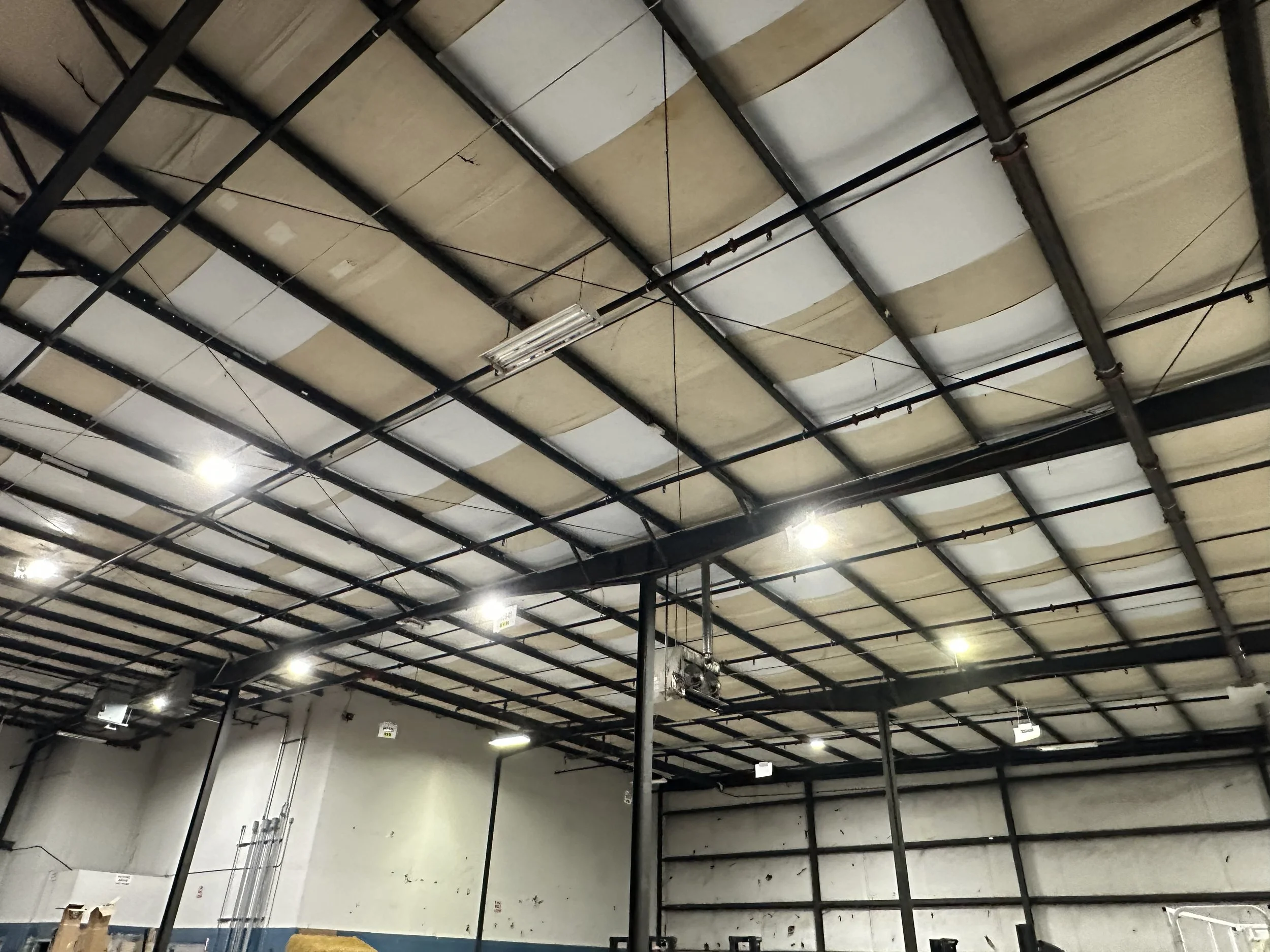
Torn, sagging, wet or deteriorated warehouse insulation can reduce thermal performance, affect indoor working conditions and leave sections of the building envelope unprotected.
Complete Insulation provides warehouse insulation repair, replacement and refurbishment for commercial and industrial buildings throughout Murfreesboro, Rutherford County and Middle Tennessee. We evaluate the existing ceiling and wall insulation, identify damaged areas and recommend a practical scope based on the building’s condition, use and accessibility.
Whether your warehouse needs a targeted repair, removal and replacement in specific areas or a broader insulation upgrade, our team will help you determine the appropriate next step.
REPAIR, REFURBISH OR REPLACE?
Not every warehouse needs complete insulation replacement.
-
Warehouse Insulation Repair
Targeted repair may be appropriate when damage is limited to specific areas. This can include securing loose insulation, repairing compatible facings or replacing isolated damaged sections.
-
Warehouse Insulation Refurbishment
Refurbishment may be recommended when the existing system remains partially usable but needs broader improvements. It may combine repairs, selective replacement, additional insulation and work around penetrations or building modifications.
-
Warehouse Insulation Replacement
Replacement may be necessary when insulation is extensively wet, contaminated, deteriorated, improperly installed or no longer compatible with the building’s needs. Damaged material is removed from approved work areas before the new system is installed.
What Is Warehouse Insulation Refurbishment?
Warehouse insulation refurbishment improves an existing insulation system without automatically removing and replacing everything.
Depending on the condition of the building, refurbishment may include:
Repairing torn insulation facings
Refastening loose or sagging insulation
Replacing damaged sections
Removing wet or contaminated material
Filling gaps and uninsulated areas
Upgrading accessible ceiling or wall insulation
Improving insulation around penetrations
Adding insulation during roof or wall renovations
Coordinating repairs around lighting, sprinklers and mechanical systems
Preparing the building for a new insulation system
The goal is to restore useful insulation where possible and replace material that can no longer perform as intended.
Signs Your Warehouse Insulation Needs Attention
Warehouse insulation can deteriorate gradually or become damaged during leaks, renovations and everyday operations. Consider scheduling an evaluation if you notice:
Insulation hanging from the ceiling
Torn, punctured or missing facings
Wet or stained insulation
Gaps around roof framing or wall panels
Insulation compressed by previous construction
Loose material around mechanical systems
Condensation on metal panels
Indoor temperatures that are difficult to control
Hot or cold areas inside the building
Rising heating or cooling costs
Material damaged by pests or birds
Insulation disturbed during electrical, roofing or HVAC work
Portions of the building with little or no insulation
Falling fibers or debris
Previous repairs that no longer remain secure
These symptoms can have more than one cause. Roof leaks, indoor humidity, ventilation, air leakage and HVAC performance should also be considered.
Warehouse Ceiling Insulation Repair
Ceiling and roofline insulation can become damaged by roof leaks, condensation, age, pests, equipment installation or work performed by other trades.
Depending on the roof assembly and existing system, ceiling refurbishment may include:
Removing wet or deteriorated material
Repairing torn insulation facings
Replacing missing insulation
Securing loose or sagging sections
Improving coverage near framing and penetrations
Installing fiberglass or spray foam in approved areas
Coordinating work around lights, sprinklers, fans and ductwork
Required clearances must be maintained around fire-protection, electrical and mechanical systems.
Depending on the building and project, wall insulation refurbishment may include:
Removing damaged insulation
Replacing missing or deteriorated material
Filling accessible uninsulated cavities
Improving coverage around penetrations
Installing fiberglass insulation
Installing approved spray foam insulation
Adding sound attenuation insulation
Coordinating insulation with a renovation
Improving wall air-sealing details
Preparing walls for new interior or exterior finishes
Benefits of Refurbishing Wall Insulation
-
More Consistent Indoor Comfort
Wall insulation helps slow heat transfer between conditioned rooms and the outdoors or adjoining unconditioned spaces. Improving missing or damaged insulation can help reduce uncomfortable temperature differences.
-
Better Building-Envelope Performance
Insulation works with air sealing, windows, doors, roofing and foundation systems to form the building envelope. Gaps or missing material inside exterior walls can weaken the performance of the entire assembly.
-
Reduced Uncontrolled Air Leakage
Air may travel through gaps around framing, pipes, wiring and other wall penetrations. Certain refurbishment projects can combine insulation improvements with accessible air-sealing work.
-
Improved Energy Efficiency
A properly insulated wall assembly can reduce unnecessary heat transfer and HVAC demand. Actual energy savings depend on the building, wall construction, HVAC equipment, existing insulation and occupant behavior.
-
Better Sound Control
Adding fiberglass or open-cell spray foam to appropriate wall cavities can help absorb airborne noise. This may improve privacy and reduce sound traveling between rooms, offices or adjoining units.
-
Support for Moisture Control
Insulation can help keep interior surfaces warmer, reducing the potential for condensation in properly designed assemblies. However, insulation cannot repair an active water leak or replace a complete moisture-management system.
Spray Foam and Fiberglass Options
Spray Foam Insulation
Spray foam may be applied to approved metal panels, roof decks, walls and irregular surfaces. It can provide insulation and air sealing in a continuous application.
Open-cell or closed-cell foam may be considered based on:
Required R-value
Available installation depth
Moisture exposure
Building use
Surface condition
Fire and building requirements
Whether a protective coating or barrier is required
Fiberglass Insulation
Fiberglass can provide cost-effective thermal coverage for large warehouse ceilings and walls. It may be used in framed cavities, roof systems and other accessible commercial assemblies.
Existing fiberglass should be evaluated for:
Tears
Compression
Moisture damage
Contamination
Missing sections
Failed fasteners
Compatibility with the proposed repair
The best material depends on the existing building—not simply the size of the warehouse.
Warehouses and Commercial Buildings We Serve
Warehouse insulation refurbishment may be appropriate for:
Warehouses
Distribution centers
Manufacturing facilities
Metal buildings
Storage facilities
Commercial workshops
Automotive buildings
Agricultural buildings
Equipment-storage buildings
Retail storage areas
Industrial facilities
Commercial garages
Buildings undergoing renovation
Converted or repurposed facilities
Why Moisture Must Be Addressed First
New insulation should not be used to conceal an active roof leak, plumbing problem or unresolved condensation issue.
Before insulation is repaired or replaced, the building may require:
Roof repairs
Flashing repairs
Plumbing repairs
Condensation control
Ventilation improvements
Indoor humidity correction
Pest removal
Mold remediation
Structural repairs
Drying of affected materials
Complete Insulation can identify visible concerns, but specialized repairs or remediation may need to be completed by the appropriate contractor before insulation work begins.
Warehouse Insulation Repair FAQs
Can damaged warehouse insulation be repaired?
Sometimes. Small tears, loose sections and isolated damage may qualify for repair. Wet, contaminated or extensively deteriorated insulation may need to be replaced.
Does all the old insulation have to be removed?
Not necessarily. Insulation that remains dry, secure, clean and compatible with the new system may be left in place. Complete Insulation evaluates the existing material before recommending removal.
Can you replace only the damaged sections?
Yes, when selective replacement is practical and compatible with the surrounding insulation. Extensive or widespread damage may require a larger replacement area.
What causes warehouse insulation to sag?
Sagging can result from failed fasteners, damaged facings, moisture, age, improper installation or work performed around the insulation.
Should wet warehouse insulation be replaced?
Wet insulation should be evaluated, and the moisture source must be corrected first. Material that cannot be properly dried or has become contaminated may require removal.
Can insulation help with warehouse condensation?
An appropriate insulation and air-control system can help reduce condensation risk. Roof leaks, indoor humidity, ventilation and building operations must also be addressed.
Can you repair insulation around lights and sprinkler systems?
Work can be coordinated around building systems, but required access and safety clearances must be maintained. Other licensed trades may need to participate in some areas.
Is spray foam suitable for warehouse repairs?
Spray foam may be suitable for approved surfaces and assemblies. The building use, substrate, moisture conditions and fire-protection requirements must be evaluated first.
Can fiberglass warehouse insulation be refurbished?
Yes. Qualifying fiberglass systems may be secured, repaired or selectively replaced depending on the condition of the insulation and its facing.
Can repairs be completed while the warehouse remains open?
Sometimes. Work may be phased or scheduled around operations. Certain projects require temporary access restrictions or shutdowns for safety.
Do you work with facility managers and general contractors?
Yes. Complete Insulation coordinates with facility managers, commercial property owners, developers, roofers and general contractors on repairs, renovations and insulation upgrades.
How do I request an evaluation?
Call Complete Insulation at 615-614-8800 or submit an online request. Include the warehouse location, approximate size, ceiling height, type of damage and whether the building is currently occupied.