
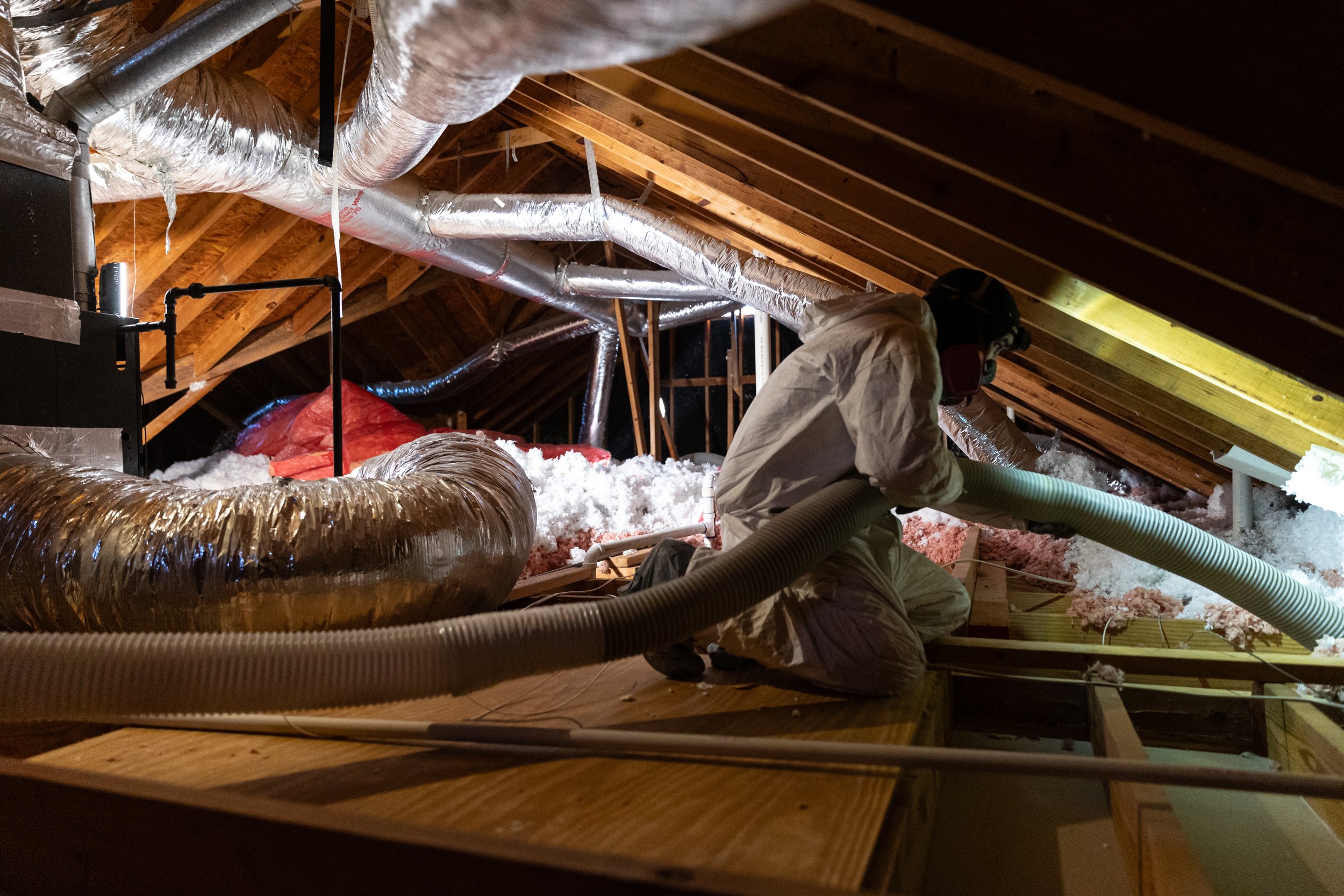
Residential Blown & Batt Fiberglass Insulation in Murfreesboro, TN
Affordable Fiberglass Insulation for New and Existing Homes
Fiberglass insulation is a dependable, cost-effective way to improve your home’s comfort and energy efficiency. Complete Insulation installs fiberglass batt and blown-in insulation for homeowners and home builders throughout Murfreesboro, Rutherford County and surrounding Middle Tennessee communities.
Whether you are building a new home, improving an under-insulated attic or replacing damaged material, our experienced insulation installers will help you select the appropriate fiberglass product and R-value for your project.
What Is Fiberglass Insulation?
Fiberglass insulation is made from extremely fine glass fibers formed into batts, rolls or loose-fill material. These fibers create small air pockets that slow heat transfer through your home’s walls, ceilings, floors and attic.
Homeowners frequently choose fiberglass because it is:
Cost-effective
Energy efficient when properly installed
Available in multiple R-values
Suitable for new and existing homes
Useful for thermal and sound control
Compatible with many common building assemblies
Available as batts or blown-in insulation
Proper installation matters. Gaps, compression and incomplete coverage can significantly reduce its performance.
Types of Fiberglass Insulation We Install
-
Fiberglass Batt Insulation
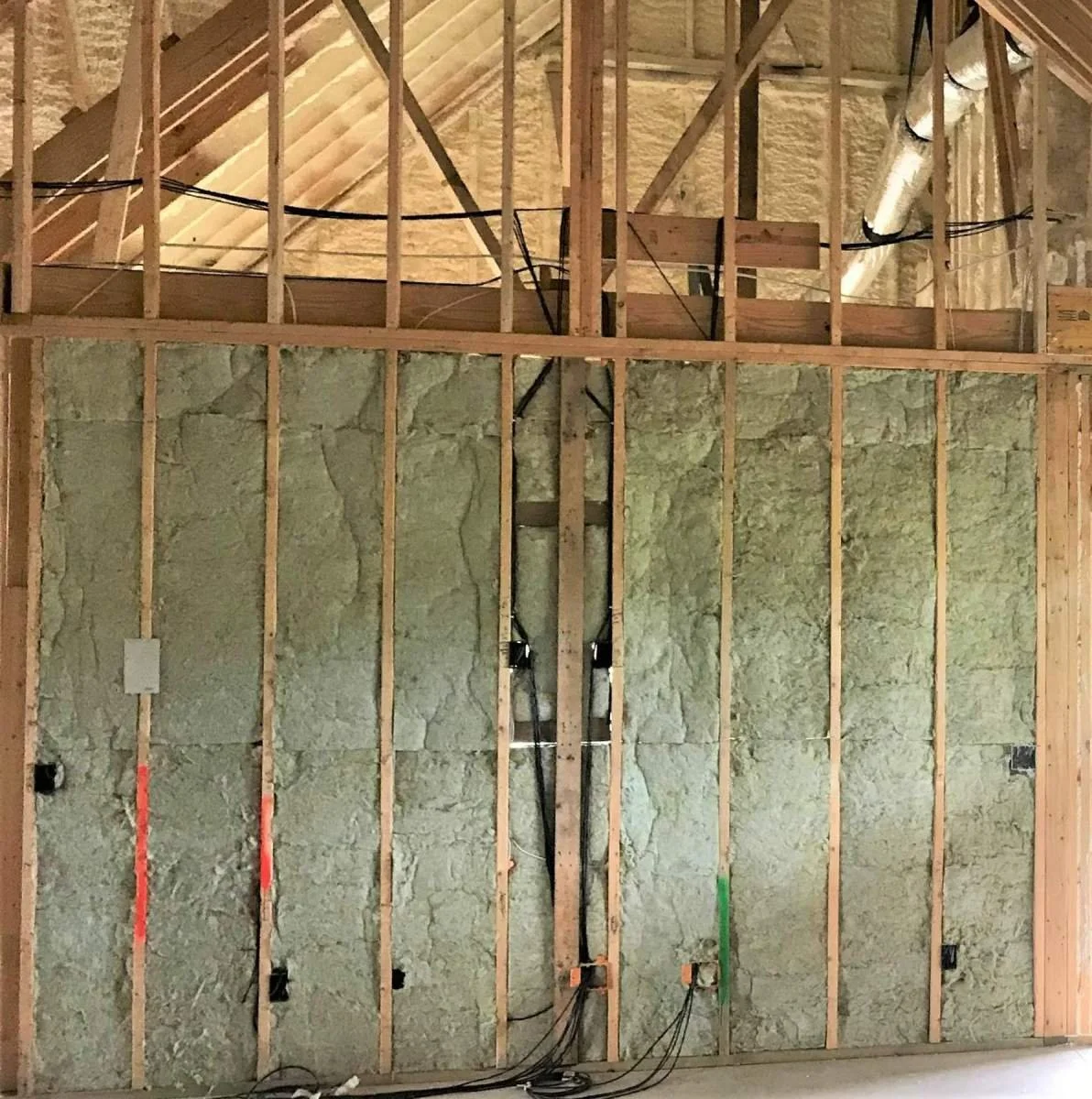
Fiberglass batts are pre-cut sections designed to fit between wall studs, floor joists and ceiling framing. They are commonly installed during new construction and remodeling projects while the wall and ceiling cavities are open.
Common residential applications include:
Exterior walls
Interior walls
Ceilings
Floors
Attics
Basements
Crawl spaces
Garages
Home additions
Bonus rooms
-
Kraft-Faced Fiberglass Batts
Kraft-faced fiberglass has an attached paper facing that may serve as a vapor retarder in certain building assemblies. Whether it is appropriate — and which direction the facing should be installed — depends on the location, climate and construction of the home.
Because kraft paper is combustible, it must be installed according to product instructions and applicable building requirements.
-
Unfaced Fiberglass Batts
Unfaced fiberglass does not include an attached paper or foil layer. It may be appropriate where a separate vapor-control layer is present or where a facing is not required.
It is frequently used for:
Interior walls
Floor and ceiling assemblies
Sound reduction
Layering over existing insulation
Certain attic applications
-
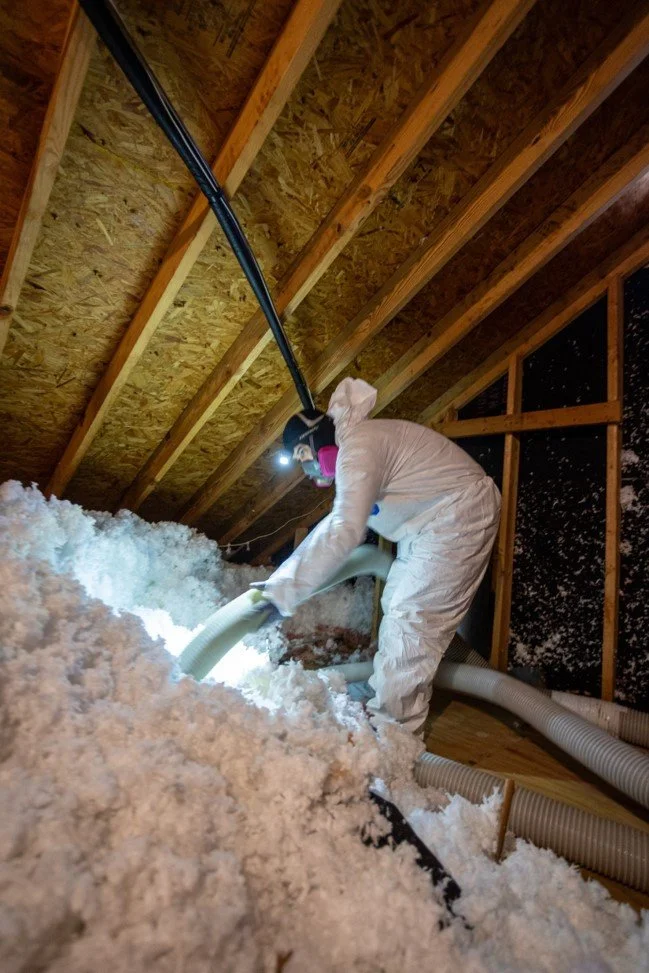
Blown-In Fiberglass Insulation
Blown-in fiberglass, also called loose-fill insulation, is installed using specialized equipment. The loose material settles around framing, wiring, ductwork and other irregular areas where fiberglass batts may be difficult to install.
It is commonly used for:
Open attics
Existing attic upgrades
Hard-to-reach areas
Irregular framing
Adding insulation over an appropriate existing layer
Residential retrofit projects
Benefits of Fiberglass Insulation
-
More Consistent Indoor Comfort
Properly installed fiberglass helps slow heat transfer between your living space and unconditioned areas. This can reduce drafts, uneven temperatures and uncomfortable hot or cold rooms.
-
Improved Energy Efficiency
Insulation helps keep heated and cooled air inside the home. This can reduce unnecessary strain on your HVAC system and support lower energy use. Actual savings depend on your home’s construction, existing insulation, air leakage, HVAC system and household habits.
-
Affordable Performance
Fiberglass generally offers reliable thermal performance at a lower initial cost than some other insulation materials. This makes it a popular option for new homes, additions, renovations and attic upgrades.
-
Noise Reduction
Fiberglass can help absorb sound traveling between rooms and floors. It is often installed in interior walls around bedrooms, bathrooms, laundry rooms, home offices, entertainment rooms and more.
-
Fire-Performance Options
Unfaced fiberglass insulation is noncombustible. However, some facings and related materials may be combustible. Each product must be installed according to its listed application and applicable building requirements.
-
Moisture and Mold Considerations
Fiberglass itself does not provide a food source for mold. However, mold can grow on dust, paper facings and surrounding building materials when moisture is present. Fiberglass should not be used to cover an unresolved roof leak, plumbing leak, drainage issue or excessive humidity. Wet or contaminated insulation may need to be removed before new material is installed.
Where Is Fiberglass Insulation Used in a Home?
Fiberglass can be installed in many parts of a house, including:
Attics
Exterior walls
Interior walls
Ceilings
Floors
Basements
Crawl spaces
Garages
Bonus rooms
Home additions
Workshops
Rooms above garages
Our team evaluates the installation area before recommending batt, blown-in or another insulation material.
Request a Residential Fiberglass Insulation Estimate
Complete Insulation provides residential fiberglass insulation installation throughout Murfreesboro, Rutherford County and surrounding Middle Tennessee communities.
Frequently Asked Questions
Is fiberglass insulation a good choice for homes in Middle Tennessee?
Yes. Properly installed fiberglass can provide dependable thermal performance through Middle Tennessee’s hot summers and changing winter temperatures. The appropriate product and R-value depend on where it will be installed.
What is the difference between fiberglass batts and blown-in fiberglass?
Fiberglass batts are pre-cut sections installed between framing members. Blown-in fiberglass is loose material installed with specialized equipment, making it useful for open attics and irregular areas.
Can fiberglass insulation lower my energy bills?
Fiberglass can help reduce unwanted heat transfer and support lower energy use. Actual savings vary based on the home, HVAC system, air leakage, existing insulation and household habits.
Can fiberglass help make my home quieter?
Yes. Fiberglass can absorb sound traveling through interior walls, ceilings and floors. It is commonly installed around bedrooms, bathrooms, laundry rooms and home offices.
Is fiberglass insulation fire-resistant?
Unfaced fiberglass insulation is noncombustible. Kraft paper and certain other facings may be combustible and must be installed according to applicable product and building requirements.
Does fiberglass prevent mold?
Fiberglass itself does not provide food for mold, but mold can grow on dust, paper facings and surrounding materials when moisture is present. Leaks and humidity problems should be addressed before new insulation is installed.
Can new fiberglass be added over my existing attic insulation?
Sometimes. Existing material should first be checked for moisture, pest contamination and deterioration. Wet, contaminated or severely damaged insulation may need to be removed.
Does Complete Insulation remove old insulation?
Yes. We provide residential insulation removal and can prepare accessible attics, crawl spaces and other areas for new fiberglass or spray foam.