
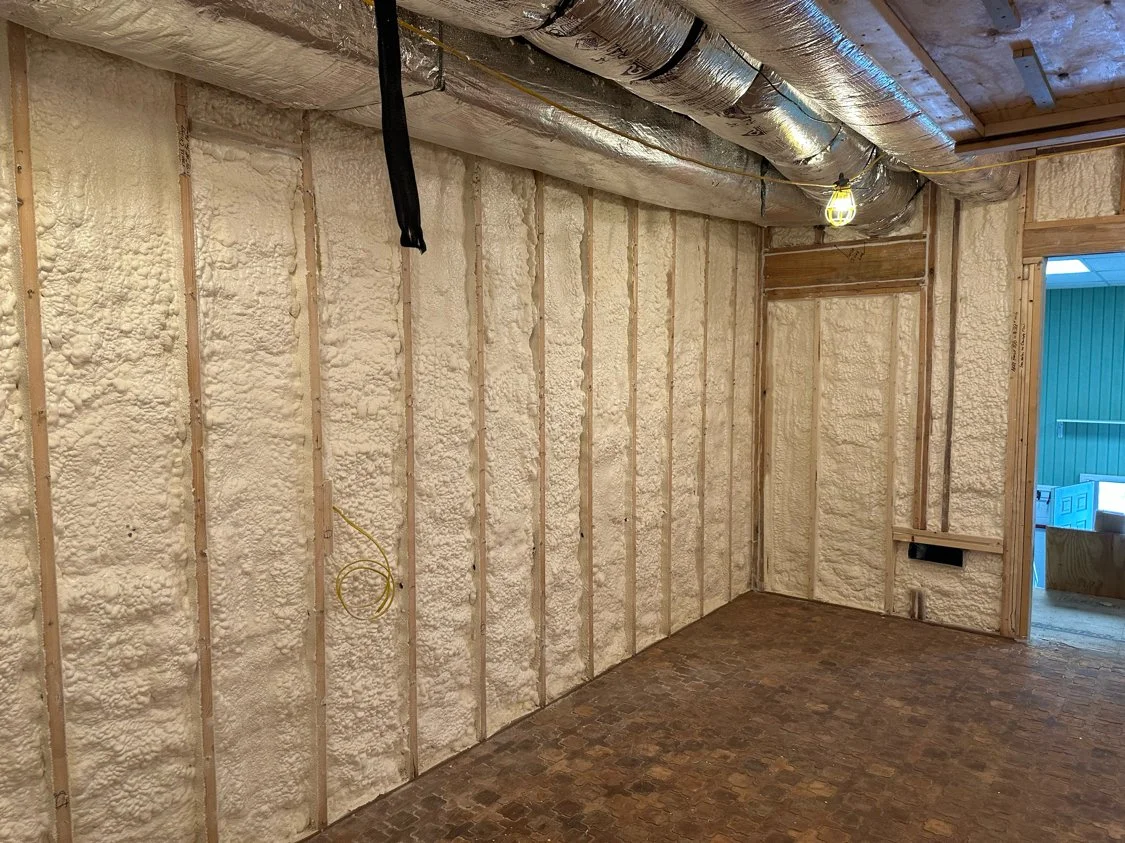
Sound Attenuation Insulation in Murfreesboro, TN
Reduce Unwanted Noise in Your Home
Noise can travel through walls, ceilings and floors, making homes less relaxing. Complete Insulation installs sound attenuation insulation for residential homes throughout Murfreesboro, Rutherford County and Middle Tennessee.
Sound attenuation insulation is installed inside building assemblies to absorb airborne sound and reduce the amount of noise that travels between adjoining spaces. It is commonly used around bedrooms, home offices and other areas where privacy and noise control matter.
Complete Insulation works with homeowners, home builders, general contractors, developers and property managers on new construction, renovations and tenant-improvement projects.
What Is Sound Attenuation Insulation?
Sound attenuation insulation is material installed inside walls, ceilings and floor systems to help absorb sound energy. It can reduce noise traveling between rooms, floors and apartments spaces.
Sound attenuation is different from complete soundproofing. Insulation is one component of an effective acoustic assembly. The final level of sound control also depends on:
Wall and floor construction
Number and thickness of drywall layers
Framing design
Doors and windows
Electrical outlets
Plumbing and duct penetrations
Gaps around the perimeter
Mechanical equipment
Resilient channels or isolation systems
Quality of installation
The National Institute of Standards and Technology explains that sound can travel through openings, structural vibrations and the building materials themselves. Addressing only one path may not solve the entire noise problem.
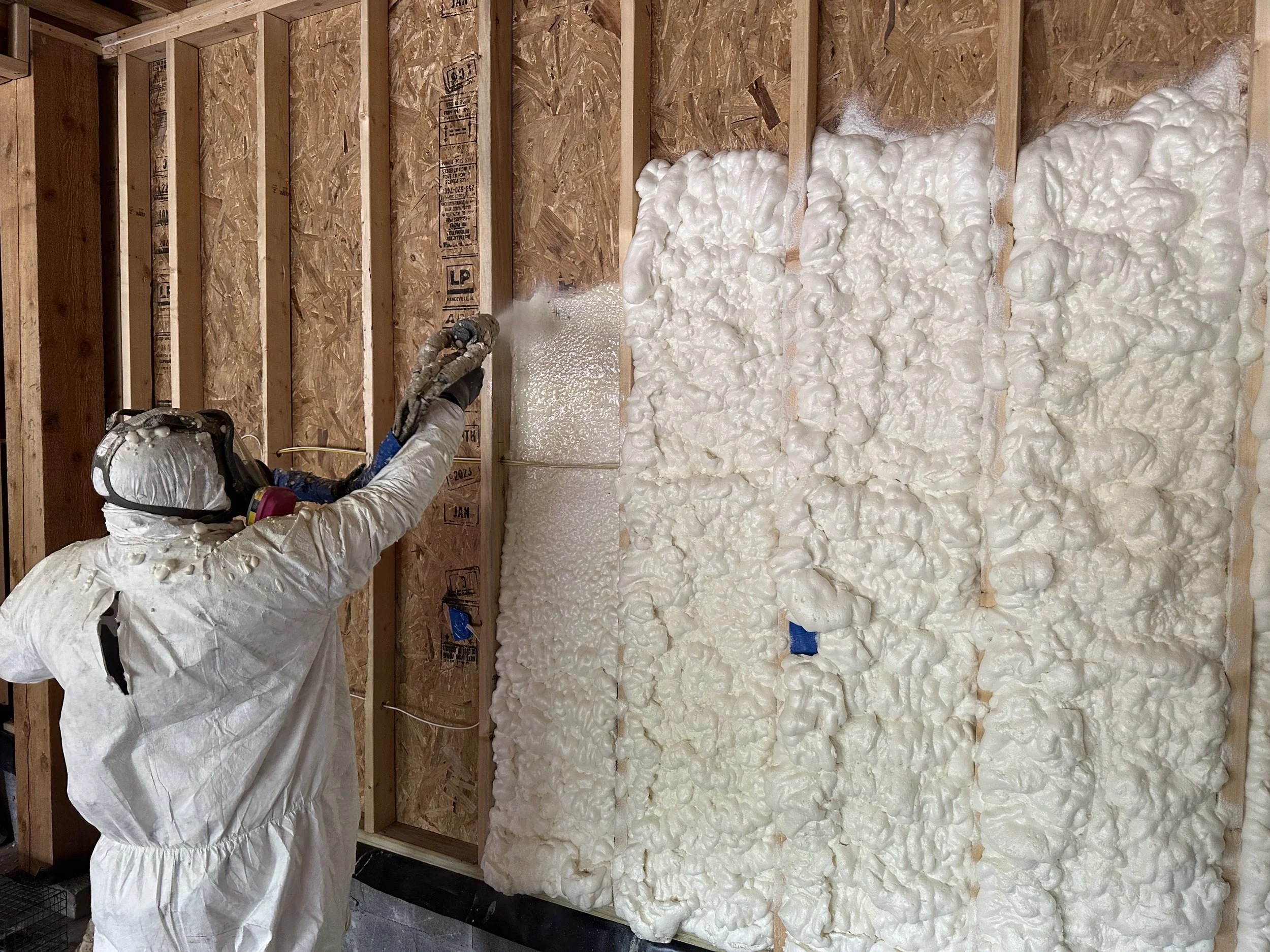
What Types of Noise Can Insulation Reduce?
Sound attenuation insulation primarily helps control airborne noise, including:
Conversations
Televisions
Music
Telephone calls
Dogs barking
Traffic
Home theater sound
Laundry appliances
Insulation may also contribute to assemblies designed to reduce impact or vibration-related noise, but it cannot eliminate those sounds by itself.
Impact noise may include:
Footsteps
Furniture movement
Dropped objects
Doors closing
Exercise equipment
Impact and mechanical noise may require additional isolation methods beyond cavity insulation.
Sound Attenuation vs. Soundproofing
The terms “sound attenuation” and “soundproofing” are often used interchangeably, but they do not mean exactly the same thing.
Sound attenuation
Sound attenuation reduces the strength of sound as it travels through a building assembly. Fiberglass or spray foam may be installed inside a wall, ceiling or floor to absorb some of the sound energy.
Soundproofing
Soundproofing generally refers to a complete system designed to block or isolate sound. It may combine insulation with additional drywall, specialized framing, resilient channels, acoustic sealants, isolation clips or other materials.
No insulation product can promise complete silence. The goal is to select and install a wall, ceiling or floor assembly that provides an appropriate level of noise reduction for the space.
-
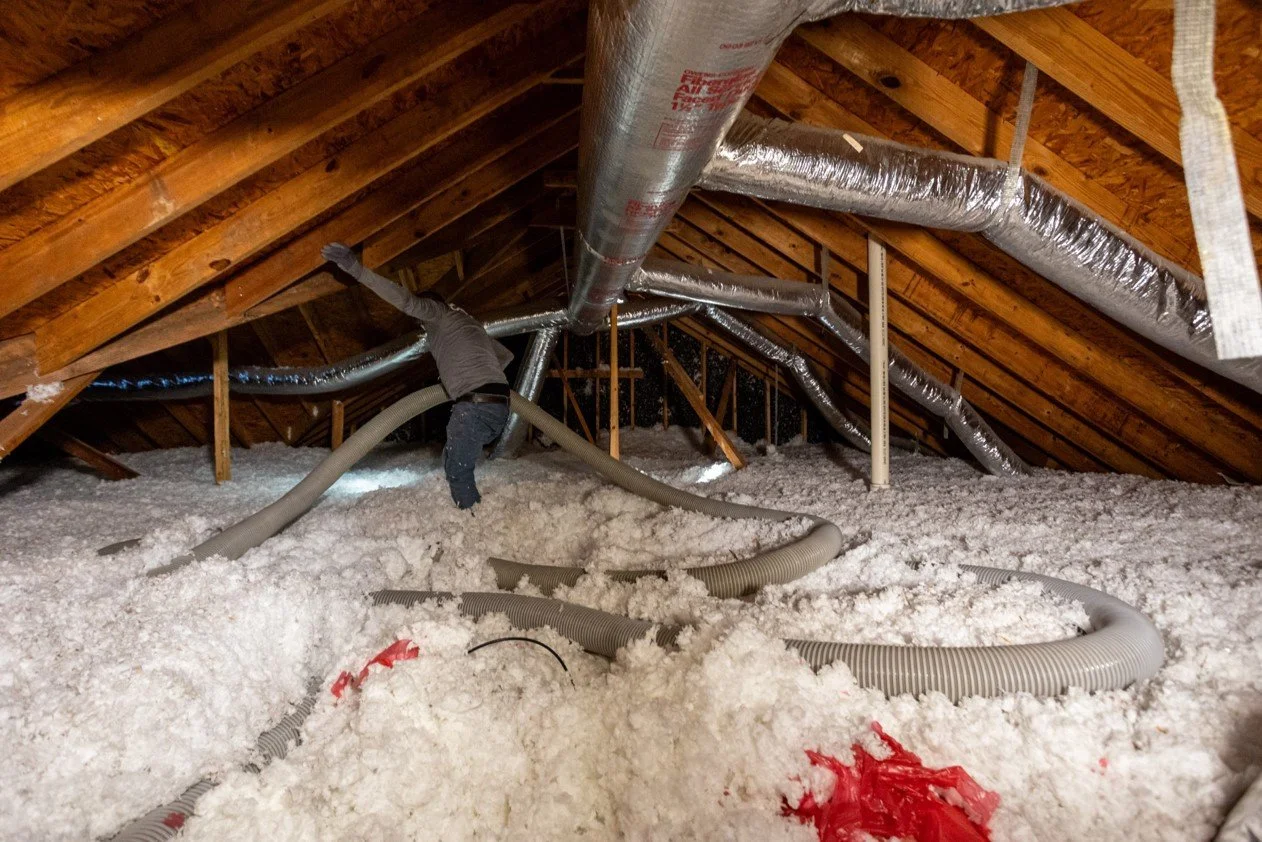
Fiberglass Sound Attenuation Insulation
Fiberglass batt insulation is frequently installed in interior walls, ceilings and floors to absorb sound within the cavity. Its fibrous structure helps reduce sound energy that would otherwise move through an empty space.
Fiberglass may be used in:
Bedroom walls
Bathroom walls
Home offices
Laundry rooms
Media rooms
Apartment separation walls
Floor and ceiling assemblies
Fiberglass is a cost-effective option for thermal and acoustic applications. It is especially practical during new construction or remodeling when framing cavities are open.
The batts must fit the cavities without large gaps or excessive compression. Poor installation can reduce both thermal and acoustic performance.
-
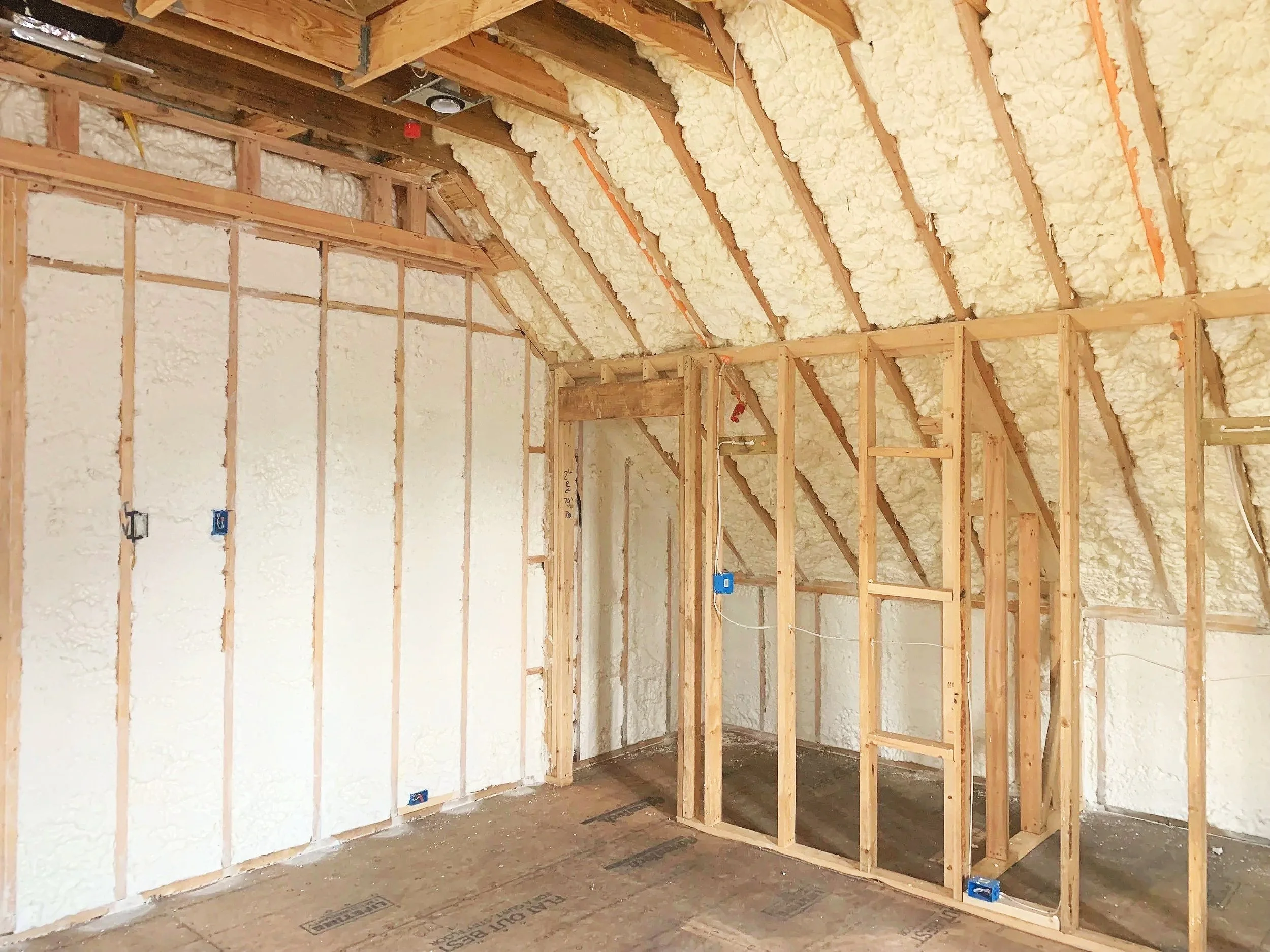
Spray Foam for Sound Attenuation
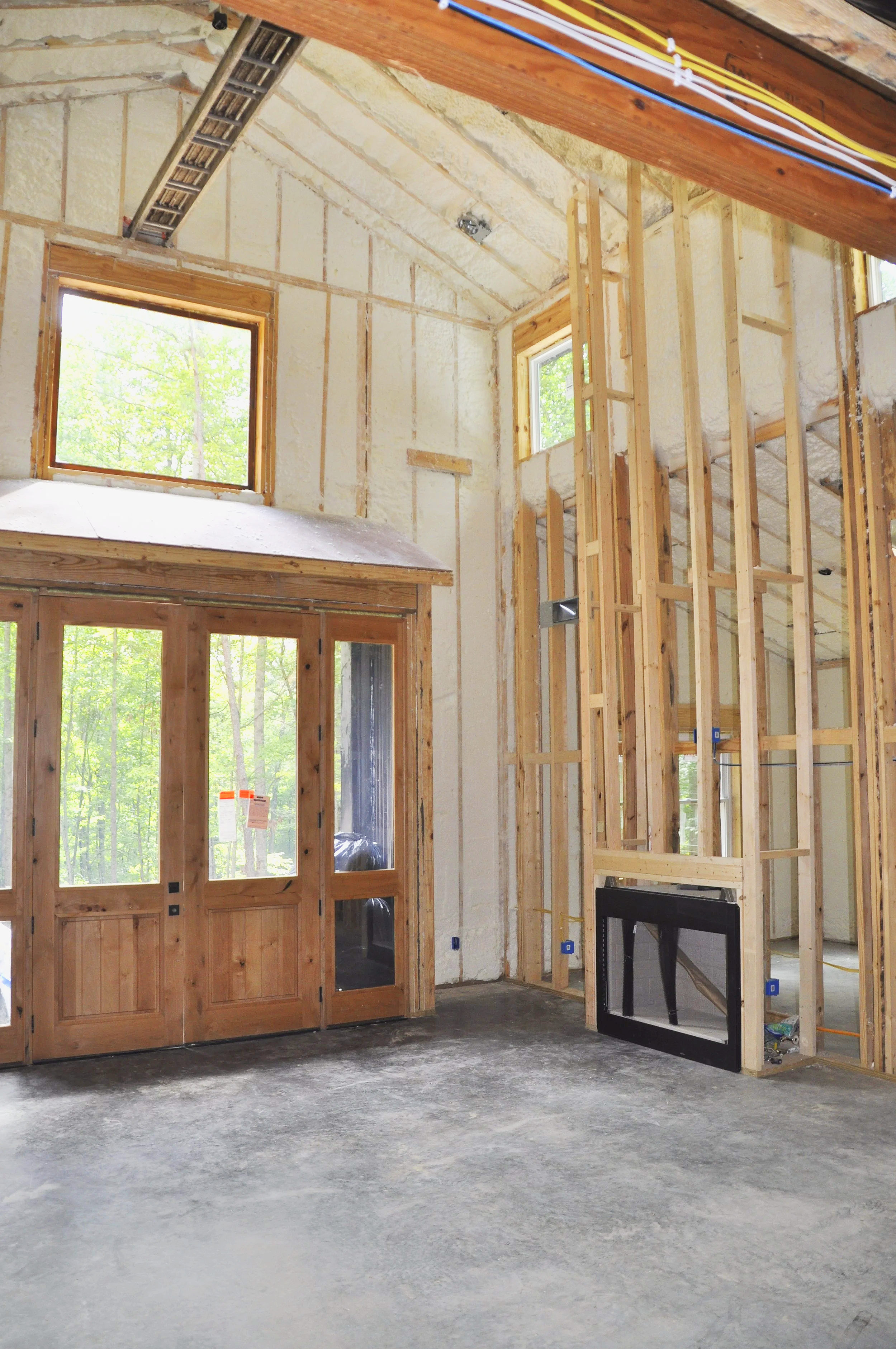
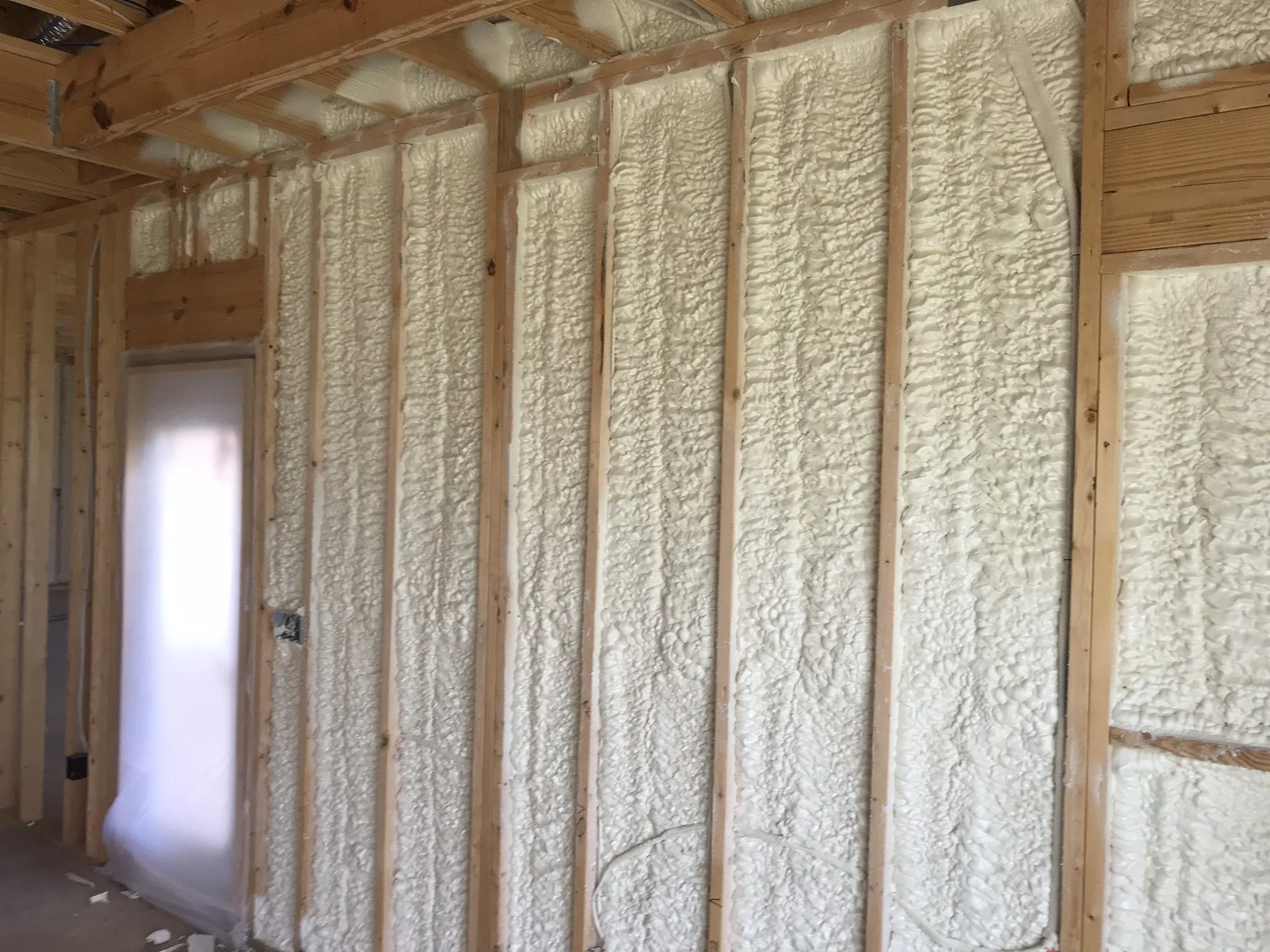
Open-cell spray foam has a softer cellular structure that can help absorb airborne sound while also providing insulation and air-sealing benefits.
It expands around framing, wiring and irregular penetrations, helping reduce small gaps through which air and sound may travel.
Open-cell spray foam may be considered for:
Exterior walls exposed to traffic noise
Bedrooms
Home offices
Bonus rooms
Media rooms
Irregular framing cavities
Closed-cell spray foam is denser and more rigid. It is generally selected for its thermal, air-sealing and moisture-control characteristics rather than sound absorption alone.
Spray foam is not a complete soundproofing system. The surrounding framing, drywall and penetrations still affect the assembly’s performance.
-
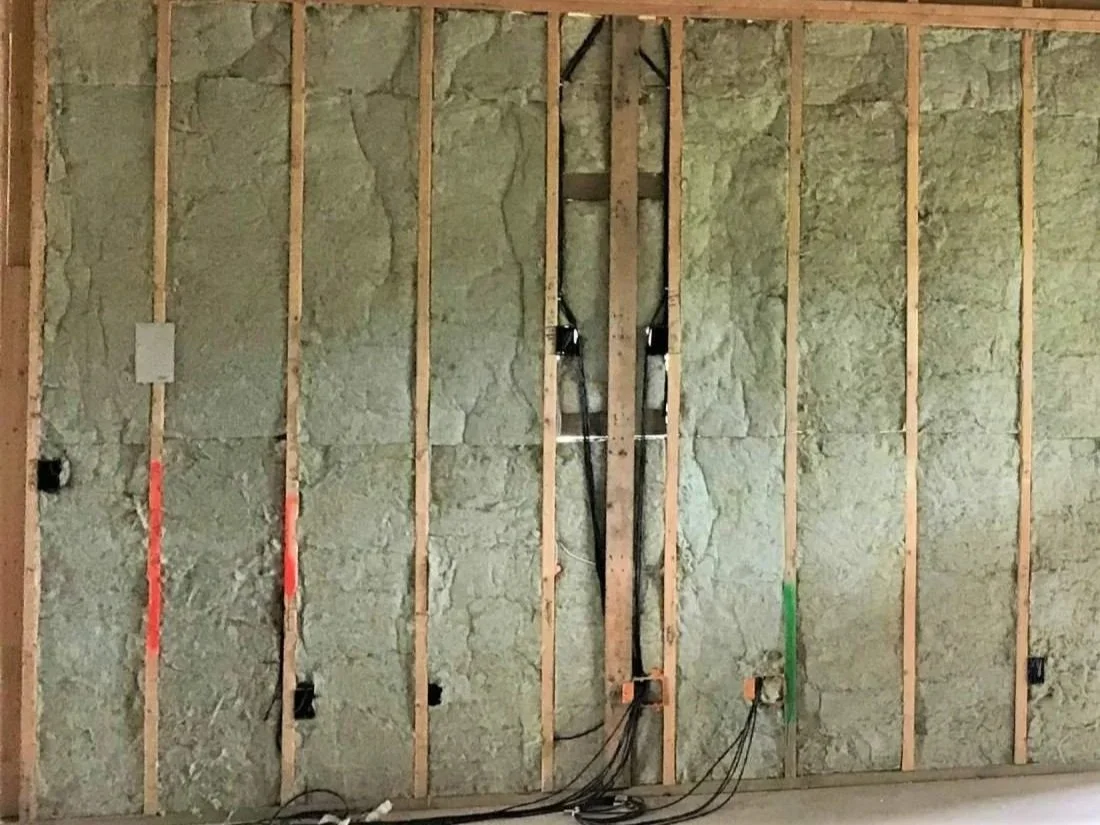
Rockwool for Sound Attenuation
Complete Insulation also offers ROCKWOOL Safe’n’Sound®, a stone wool batt insulation designed to improve fire resistance and acoustic performance in interior walls, floors and ceilings. It friction-fits between wood or steel framing, stays firmly in place and helps reduce sound transfer between interior spaces. This noncombustible, moisture-repellent and mold-resistant insulation is ideal for spaces where fire protection and noise control are priorities. It can be installed in interior wood- and steel-framed walls, floors and ceilings.
Residential Applications:
Bedrooms and nurseries
Bathrooms
Home offices
Home theaters and media rooms
Music and recording rooms
Laundry rooms
Bonus rooms and game rooms
Basements
Interior walls between living spaces
Floors between upper and lower levels
Walls shared with garages
Workshops and hobby rooms
Barndominium living areas
Residential Sound Attenuation Insulation
Sound attenuation insulation can make a noticeable difference in busy homes, especially when rooms with different uses share a wall or floor.
Homeowners commonly request sound-control insulation for:
Primary bedrooms
Children’s bedrooms
Nurseries
Bathrooms
Laundry rooms
Home offices
Home theaters
Music rooms
Game rooms
Bonus rooms
Rooms above garages
Interior walls near HVAC equipment
Attached workshops
Accessory dwelling units
Sound attenuation insulation can be particularly helpful during new construction because interior cavities are accessible before drywall is installed.
Home Offices
Working from home is easier when conversations, televisions and household activity are less distracting. Insulation in the walls and ceiling around a home office can help reduce airborne noise and improve conversational privacy.
Bedrooms and Nurseries
Adding insulation between sleeping areas, bathrooms and common spaces can help create a quieter environment. It can also reduce the amount of normal household noise entering or leaving a bedroom.
Laundry and Mechanical Rooms
Washers, dryers, water heaters and HVAC equipment can create noise that travels into adjoining rooms. Cavity insulation may help absorb some of that sound, although vibrating equipment may also require mechanical isolation.
Home Theaters and Media Rooms
Sound attenuation insulation can help control noise traveling between a media room and the rest of the house. A higher-performing theater may require a complete acoustic assembly designed by an experienced professional.
Frequently Asked Questions
What is sound attenuation insulation?
Sound attenuation insulation is material installed inside walls, ceilings or floors to absorb sound energy and reduce noise transmission between spaces.
Is sound attenuation the same as soundproofing?
No. Sound attenuation reduces sound, while soundproofing generally describes a complete system intended to block or isolate it. Insulation is only one part of that system.
What is an STC rating?
Sound Transmission Class is a laboratory rating used to compare how well a complete wall, floor or ceiling assembly reduces airborne sound. It is not a rating for insulation alone.
Which insulation is best for sound reduction?
Fiberglass batts and open-cell spray foam can both help absorb airborne sound. The best option depends on the assembly, available space, construction stage and project requirements.
Can insulation stop footsteps from an upstairs room?
Insulation may help, but footsteps are impact noise that can travel through framing. Better control may require isolation systems, underlayments or other construction methods.
Can sound insulation be added to an existing wall?
It may be possible during a renovation, but finished walls usually need to be opened or otherwise accessed. We can evaluate the project and explain the available options.
Does sound attenuation insulation provide privacy?
It can reduce the clarity and volume of conversations traveling between rooms. The degree of privacy depends on the complete wall or ceiling assembly.
Can Complete Insulation guarantee an STC rating?
An STC rating belongs to a complete tested assembly. We can install the specified insulation, but final performance also depends on framing, drywall, doors, penetrations and workmanship by other trades.
Do you install sound attenuation insulation in commercial buildings?
Yes. We work in offices, restaurants, medical facilities, hotels, multifamily properties and other commercial spaces.
When should sound attenuation insulation be installed?
The best time is during new construction or remodeling, after mechanical and electrical rough-ins are complete but before drywall closes the cavities.