
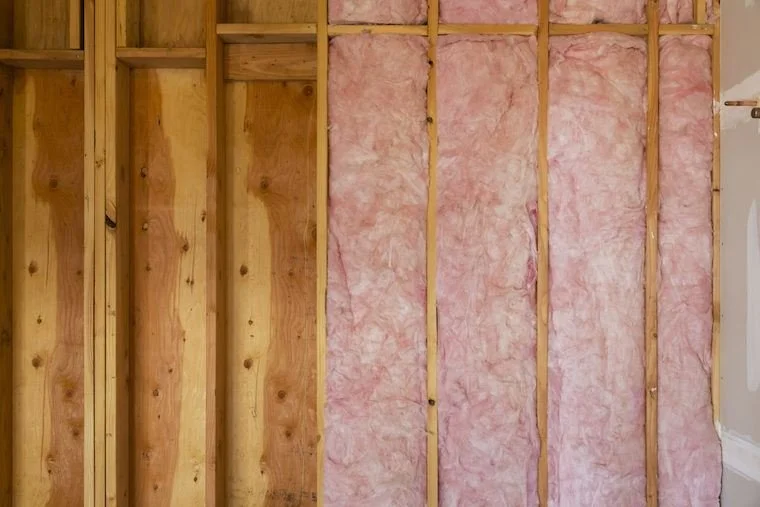
Commercial Fiberglass Insulation in Murfreesboro, TN
Fiberglass Insulation for Commercial Buildings and New Construction
Complete Insulation provides commercial fiberglass insulation installation for general contractors, developers, business owners and property managers throughout Murfreesboro, Rutherford County and Middle Tennessee.
We install fiberglass batt and blown-in insulation in new commercial construction, tenant improvements, renovations and existing-building retrofits. Our team evaluates the building assembly, project specifications and required R-values before recommending an insulation system.
Whether you are insulating an office, warehouse, retail center, restaurant or multifamily property, we provide reliable installation coordinated around your construction schedule.
What Is Commercial Fiberglass Insulation?
Fiberglass insulation is made from fine glass fibers formed into batts, rolls or loose-fill material. The fibers create air pockets that slow heat transfer through walls, ceilings, floors and roof assemblies.
Commercial contractors frequently select fiberglass because it is:
Cost-effective for large installation areas
Available in multiple R-values
Suitable for new construction and retrofits
Useful for thermal and acoustic control
Compatible with many commercial building assemblies
Available in faced and unfaced products
Efficient to install in open framing
Appropriate for many code-compliant wall and ceiling systems
Product selection depends on the building plans, specifications, assembly and intended use of the space.
Types of Commercial Fiberglass Insulation We Install
-
Fiberglass Batt Insulation
Fiberglass batts are pre-cut or manufactured in standard widths to fit between studs, joists and other framing members. They are commonly installed while walls and ceilings remain open during construction.
Commercial applications include:
Exterior walls
Interior partition walls
Ceilings
Floor assemblies
Tenant buildouts
Multifamily units
Offices
Retail spaces
Hotels
Restaurants
Warehouses
Metal-building interior systems
-
Kraft-Faced Fiberglass Batts
Kraft-faced fiberglass has an attached paper facing that may serve as a vapor retarder in certain assemblies. Its suitability and orientation depend on the building design, installation location and project requirements.
Because kraft paper is combustible, it must be installed according to the product listing and applicable building requirements.
-
Unfaced Fiberglass Batts
Unfaced fiberglass does not include an attached paper or foil layer. It is frequently used where a separate vapor-control layer is present or where facing is unnecessary.
Common commercial uses include:
Interior partitions
Sound-control assemblies
Floor and ceiling cavities
Walls with separate vapor-control systems
Multifamily shared assemblies
Offices and conference rooms
Mechanical areas
-
Blown-In Fiberglass Insulation
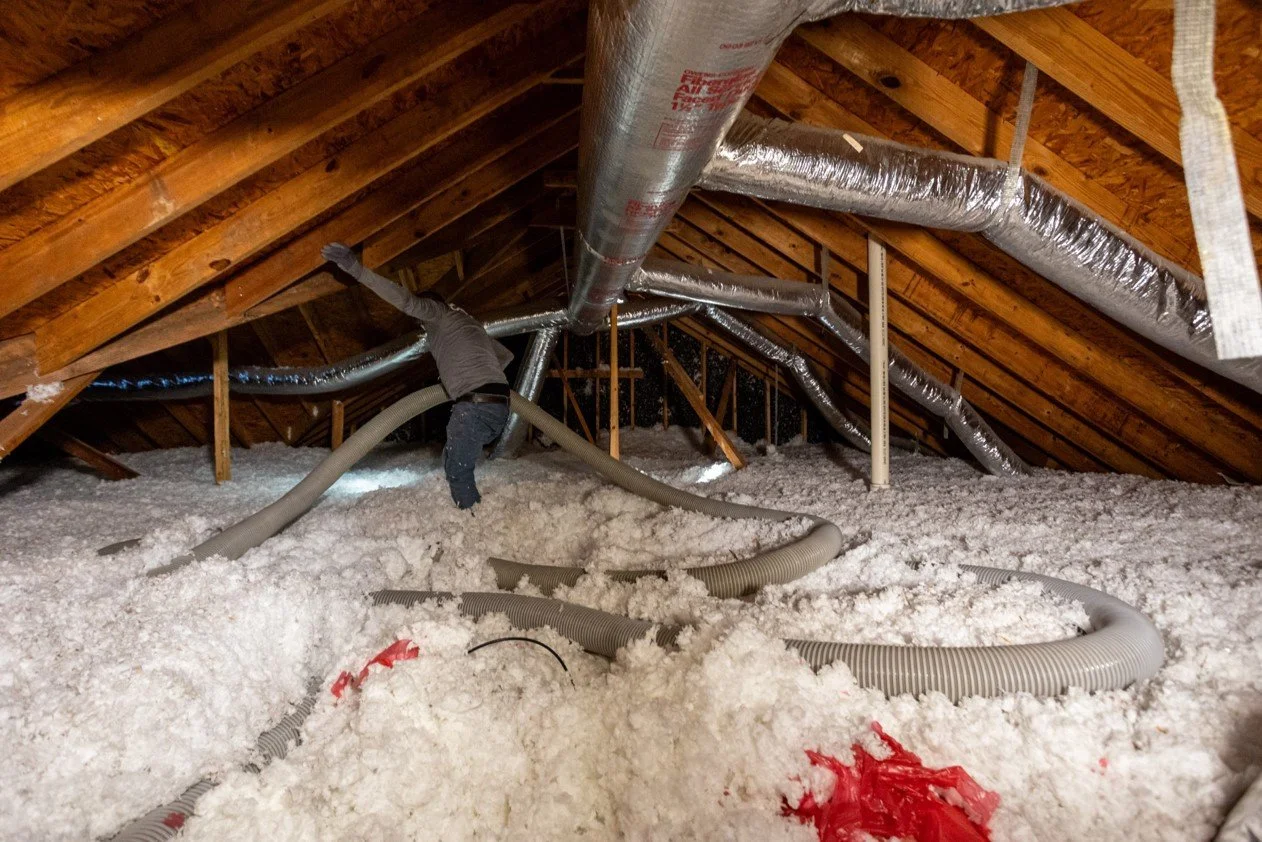
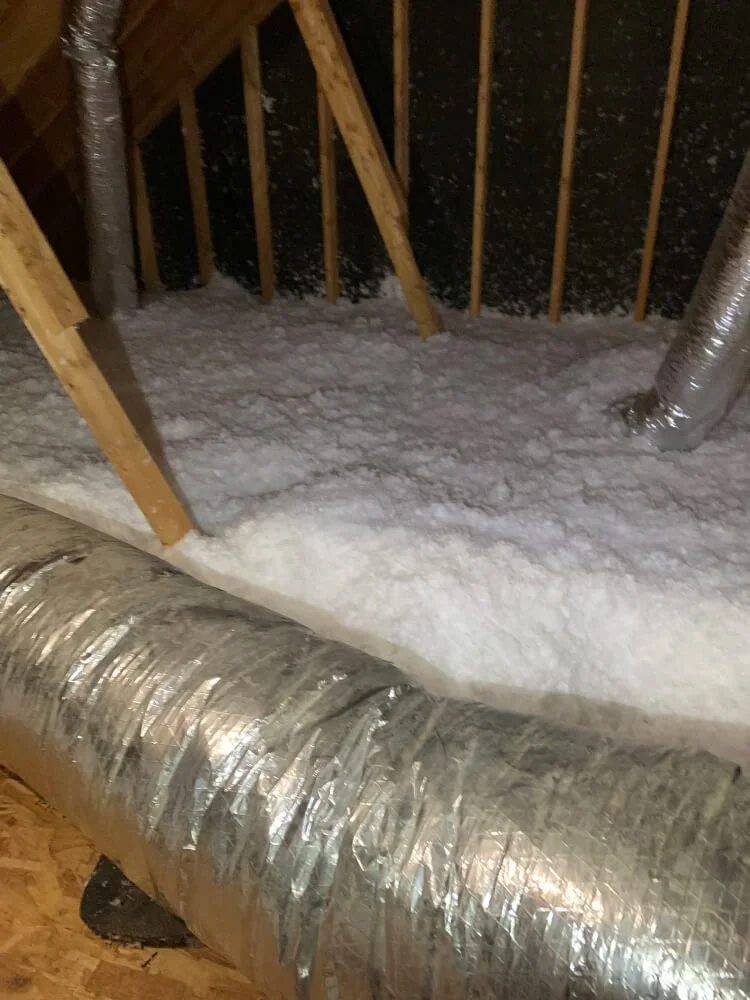
Blown-in fiberglass, also called loose-fill fiberglass, is installed using specialized equipment. The material can fill irregular spaces and settle around framing, wiring, piping and other building components.
It may be used in:
Open commercial attics
Roof and ceiling assemblies
Existing-building upgrades
Hard-to-reach areas
Irregular framing
Large retrofit projects
Areas requiring additional insulation coverage
Commercial Benefits of Fiberglass Insulation
-
Cost-Effective Thermal Performance
Fiberglass provides dependable resistance to heat flow at a cost that can make it practical for large commercial projects. Proper coverage supports the performance of the entire building envelope.
-
Energy-Efficiency Support
Proper insulation helps reduce unwanted heat transfer between conditioned and unconditioned spaces. This can reduce unnecessary demand on commercial heating and cooling equipment.
Actual energy performance depends on the complete building envelope, HVAC system, air leakage, operating hours and occupant use.
-
Acoustic Control
Fiberglass insulation can help absorb sound traveling through walls, floors and ceilings. The performance of an acoustic assembly depends on the insulation, framing, drywall and other materials working together.
-
Fire-Performance Options
Unfaced fiberglass insulation is noncombustible. Certain facings and related materials may be combustible and must be selected and installed according to their listed applications.
Fiberglass may also be incorporated into tested fire-rated assemblies when the plans and specifications require it.
-
Flexible Commercial Applications
Fiberglass is available in different widths, thicknesses, densities and R-values. This makes it suitable for a variety of wall, floor, ceiling and roof assemblies.
Commercial Properties We Insulate
Complete Insulation provides fiberglass insulation for:
Office buildings
Retail stores
Shopping centers
Restaurants
Warehouses
Industrial facilities
Manufacturing buildings
Multifamily properties
Apartment buildings
Hotels
Medical and professional offices
Schools
Churches
Community buildings
Storage facilities
Metal buildings
Mixed-use developments
Tenant-improvement projects
We work with contractors and project managers to identify the correct insulation for each part of the building.
Request a Commercial Fiberglass Insulation Estimate
Complete Insulation provides commercial fiberglass insulation installation throughout Murfreesboro, Rutherford County and Middle Tennessee.
Frequently Asked Questions
Is fiberglass insulation suitable for commercial buildings?
Yes. Fiberglass is commonly installed in offices, warehouses, retail spaces, hotels, multifamily buildings and other commercial properties. The appropriate product depends on the building assembly and project requirements.
What is the difference between batt and blown-in fiberglass?
Fiberglass batts are manufactured sections installed between framing members. Blown-in fiberglass is loose material installed with specialized equipment, making it useful for attics and irregular areas.
Can fiberglass help control sound in commercial buildings?
Yes. Fiberglass can absorb sound within walls, ceilings and floors. Complete acoustic performance depends on the entire assembly, including framing, drywall, doors and penetrations.
Is fiberglass insulation noncombustible?
Unfaced fiberglass insulation is noncombustible. Certain paper, foil or other facings may have different fire characteristics and must be installed according to their listed applications.
Can fiberglass be installed during a tenant buildout?
Yes. Fiberglass is frequently installed in exterior walls, shared tenant walls, interior partitions, ceilings and other assemblies during tenant-improvement projects.
Can new insulation be installed over existing material?
Sometimes. The existing insulation must first be evaluated for moisture, contamination and deterioration. Wet or damaged material may require removal.
Does Complete Insulation remove commercial insulation?
Yes. We provide commercial insulation removal and can prepare accessible areas for replacement fiberglass or spray foam insulation.
Does Complete Insulation work with general contractors?
Yes. We work with general contractors, developers, builders, project managers and commercial property owners on new construction, renovations and retrofit projects.